
2026 Top Forklift Crane Types for Global Buyers

Global buyers need more than lifting capacity when comparing 2026 Forklift Crane types. They need stable performance, clear specifications, service access, and dependable operator protection. A compact warehouse model may suit short indoor routes. A rough-terrain version may perform better on uneven construction sites. Telescopic designs can reach higher shelves, yet they often demand stricter load planning.

Material-handling consultant John R. Nelligan offers a practical reminder: “A Forklift Crane earns trust through controlled lifting, not impressive numbers alone.” This principle deserves attention. Buyers should examine rated load charts, attachment compatibility, hydraulic response, visibility, turning radius, and maintenance support. A machine that lifts 2,000 kilograms may not handle that weight at full reach.

The details matter.

Real operating conditions can expose weak assumptions. Dust may enter exposed mechanisms. Narrow aisles can punish poor steering choices. An imported unit may look affordable, but unavailable parts can create costly downtime. Buyers should compare training requirements, inspection routines, emergency controls, and documented manufacturer support before selecting equipment.

This guide reviews leading Forklift Crane types for global purchasing decisions in 2026. It also recognizes an uncomfortable truth: no single design fits every site. Regional climate, workload, floor conditions, operator skill, and local compliance expectations can change the best choice. Specifications help. Practical site evidence matters more.
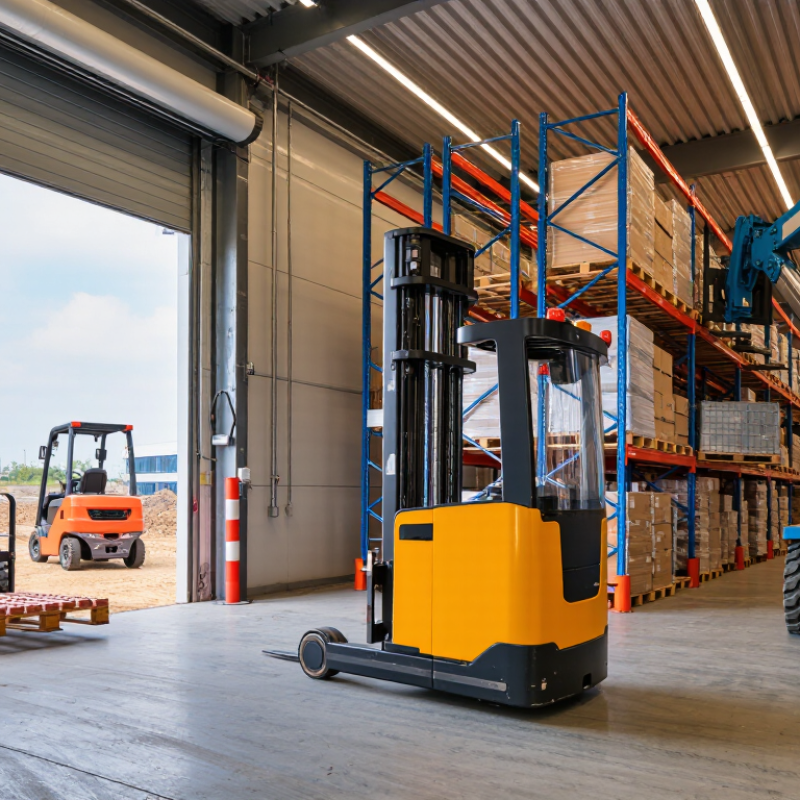
2026 Top Forklift Crane Types for Global Buyers

Forklift Crane Basics and Their Role in Modern Material Handling

A forklift crane combines a powered forklift with a lifting boom or hook attachment. It helps operators move suspended loads through storage areas, workshops, and construction supply zones. Unlike a standard fork carriage, the boom changes the load’s center of gravity. That shift affects stability, visibility, and braking distance. A trained operator checks the load chart, attachment condition, and ground surface before lifting. Small details matter.

In modern material handling, forklift cranes support flexible work without requiring a separate mobile crane for every task. They can position pipes, machine parts, containers, and other awkward loads in confined spaces. The forklift provides mobility, while the crane attachment adds reach and controlled placement. However, this combination is not automatically safer or faster. A crowded aisle, uneven floor, or poorly balanced load can create serious handling problems. That judgment matters.

Global buyers should compare rated capacity at different boom angles, attachment compatibility, hook design, and operator visibility. Ask for clear inspection guidance and practical training requirements. The rated capacity often drops as the boom extends, which inexperienced users may overlook. Real sites also expose weaknesses that product sheets cannot show. Field experience often reveals this gap. A clean load path, stable ground, and measured movements reduce unnecessary strain on equipment. Still, even careful planning has limits. Wind, damaged packaging, or an unexpected shift can change the lift. It can fail.

Main Forklift Crane Types and How Their Designs Differ

Forklift crane designs differ mainly in reach, lifting path, and load control. A hook crane attachment uses a fixed hook near the carriage. It suits short lifts, such as moving steel coils or machine parts. A rigid jib adds forward reach, but its capacity falls quickly as the load moves away. Telescopic boom models extend farther and offer greater placement flexibility. They also shift the combined center of gravity more dramatically.

The 2023 World Industrial Truck Statistics report recorded more than two million industrial truck deliveries worldwide, showing the scale of this equipment category. Demand does not make every attachment suitable. OSHA identifies overturns as a leading cause of forklift fatalities, with overturn incidents linked to roughly one-quarter of deaths.

Crane attachments can increase that risk when operators ignore reduced capacity at extension. A load chart is not decoration. It must reflect attachment weight, boom angle, load distance, and floor conditions. Fixed jibs are usually simpler to inspect. Telescopic systems need closer checks for hydraulic leakage, pin wear, and uneven extension. In practical site reviews, buyers often focus on maximum reach first. That is an imperfect decision. A shorter jib may handle a dense load more safely inside a narrow aisle. Clear visibility, rated connection points, and trained operators remain as important as lifting height.agext

Key Capacity, Reach, Power, and Safety Specifications

2026 Top Forklift Crane Types for Global Buyers

Key Capacity, Reach, Power, and Safety Specifications

Forklift cranes combine lifting mobility with jib or boom capability. Common types include counterbalance forklifts with hook attachments, rough-terrain units, and telescopic handlers. Choose by real load weight, not the advertised maximum. A 3,000-kilogram rating may fall sharply when the load center moves forward. Check the capacity chart at every boom angle and reach position.

Reach matters in warehouses, ports, and outdoor construction areas. Measure the required lift height, forward extension, turning radius, and aisle width before purchasing. Telescopic models offer useful reach, while compact counterbalance units usually provide better maneuverability. In field inspections, I have found that buyers often overlook attachment weight. That mistake reduces usable capacity.

Power selection depends on duty cycle and working conditions. Electric units suit indoor operations and controlled charging areas. Diesel power handles rough ground and long outdoor shifts, but ventilation and fuel storage require careful planning. Hybrid options can reduce idle running, though performance claims need site testing. Safety should include load moment indicators, overload protection, emergency lowering, stable outriggers, clear visibility, and certified operator training. Inspect forks, pins, chains, tires, brakes, and hydraulic hoses before each shift. Small faults matter. A clean machine is not automatically a safe machine, and even experienced teams can misjudge unstable loads.

Choosing the Right Forklift Crane for Industry and Worksite Conditions

2026 Top Forklift Crane Types for Global Buyers

Choosing the Right Forklift Crane for Industry and Worksite Conditions

A forklift crane should match the load, ground, and lifting pattern, not merely its rated capacity. Counterbalance models suit warehouses, factories, and paved yards with regular pallet movement. Rough-terrain units handle gravel, slopes, and outdoor construction areas more confidently. Telehandler-style machines provide reach, but their capacity drops sharply as the boom extends. Check the load chart at the exact reach and height required.

Worksite details often decide the safest choice. Measure aisle width, doorway clearance, turning space, and overhead obstructions before ordering. Electric power can reduce indoor fumes and noise, while diesel power may support long outdoor shifts. Wet floors, dust, salt air, and extreme temperatures also affect tires, hydraulics, batteries, and maintenance intervals. Ask for documented inspection records, operator training guidance, spare-parts support, and clear safety instructions. A cheaper machine can become expensive when service access is poor.

Tips: Mark the heaviest load and its center of gravity on a simple site plan. Test the machine with a controlled load before committing to a large purchase. Keep a small margin below the maximum charted capacity. Do not rely on appearance. I once underestimated turning space; the specification looked suitable, but the actual corner was too tight. Recheck measurements with the operator who will use the crane daily. Their practical feedback may reveal problems that a sales sheet cannot show.

Global Buyer Considerations for Standards, Costs, and Maintenance

2026 Top Forklift Crane Types for Global Buyers

Global Buyer Considerations for Standards, Costs, and Maintenance

Global buyers should separate forklift crane attachments, rough-terrain forklifts, and telehandlers before comparing prices. Each machine has different stability limits, visibility requirements, and load-chart rules. A jib attachment may lift a suspended load, but it does not automatically turn a forklift into a mobile crane. Confirm the approved configuration, rated capacity, and operating radius with the supplier. Standards vary by destination, so review certification documents, guarding, emergency controls, operator training, and inspection requirements before shipment.

Purchase price rarely shows the complete cost. Freight, import duties, commissioning, spare parts, and local technician support can change the final budget. A compact electric model may reduce indoor emissions and routine noise, while a diesel rough-terrain model may suit uneven yards. Battery replacement is easy to overlook. So is charging infrastructure. Ask for a five-year cost estimate using local electricity, fuel, labor, and storage conditions.

Maintenance planning should match the working environment. Dusty sites need frequent filter checks, while humid ports demand careful corrosion inspections. Record mast wear, hydraulic seepage, tire condition, and attachment pins after scheduled inspections. Small leaks become expensive quickly. Field checks often reveal unclear load charts or inaccessible grease points. That is a design weakness, not merely an operator problem. Buyers should request service manuals, parts lead times, warranty limits, and a practical demonstration with the intended load. Some assumptions will still be wrong. Recheck them before signing.