
Choosing the best Race Bike for 2026 is not just a contest of speed. The right choice depends on your fit, roads, riding style, and budget. A race bike that feels sharp on smooth tarmac may feel harsh on broken pavement. Aerodynamic frames, light wheels, gearing, tire clearance, and service access all matter. On fast roads, small gains can feel immediate. On rough roads, comfort may matter more. Fit matters every ride. A beautiful frame cannot fix the wrong size. A few details change everything.
Cycling engineer Keith Bontrager is often credited with the design maxim, “Strong, light, cheap. Pick two.” It captures a real trade-off, though it does not settle which bike suits you. This guide compares leading 2026 race bikes through practical criteria, including ride feel, component choices, and value. It also considers the details spec sheets can hide, such as how a bike handles long climbs or rough descents. No single model wins for every rider. That uncertainty is worth admitting. The best choice is the one that fits well, performs reliably, and makes you want to ride. Expect clear comparisons, not a universal verdict.
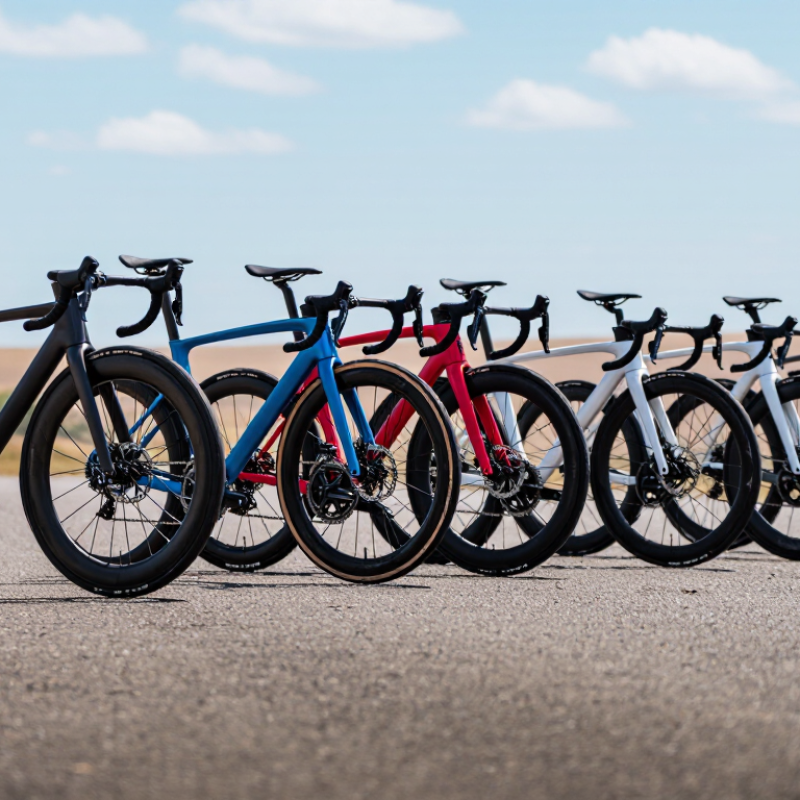
Race bikes in 2026 come in several distinct forms, each built for a different course and riding position. PeopleForBikes’ 2023 U.S. Bicycling Participation Report counted 112 million Americans who rode in 2022. That figure covers all cycling, not race-bike sales, so it offers context rather than proof of demand for a specific type.
Road-race bikes balance climbing, cornering, and speed on paved courses.
Time-trial and triathlon bikes put the rider low over the bars to reduce drag, but that position may feel uncomfortable on long rides.
Track bikes use a fixed gear and suit smooth velodrome racing.
Cyclocross bikes handle mud, grass, and short obstacles; gravel race bikes are designed for fast riding on loose surfaces.
The categories can overlap.
Fit still decides. A hilly road course rewards easy climbing and confident handling; a velodrome demands precise control at speed. Check event rules before choosing, since equipment requirements can differ. A professional bike fit can reveal whether the reach feels manageable and whether your knees track comfortably through each pedal stroke. Weight alone is a poor guide. An aggressive frame may look fast yet feel unsettled on rough roads.
A top race bike is not defined by low weight alone. Its frame should feel responsive when accelerating, yet remain predictable through a fast corner. Stiffness can help transfer pedal force, but excessive harshness may leave a rider tense after rough pavement. Fit matters most. Reach, handlebar width, and saddle position should support a stable posture without forcing the rider to stretch or rock their hips.
Aerodynamics matter at speed, but details deserve scrutiny. Integrated cables and shaped tubes can reduce drag, while making adjustments or repairs less straightforward. That trade-off is real. Wheel depth also affects handling: deeper rims may feel quick on open roads, but gusty crosswinds can demand more attention. A good setup should suit the rider’s routes and confidence, not just look fast in a showroom.
Braking should remain consistent during repeated hard stops, and gearing should match the terrain. Closely spaced ratios can help maintain a smooth cadence on rolling roads; easier climbing gears may be more useful on steep routes. Tire clearance and sensible pressure improve grip and comfort, though the ideal choice varies with rider weight and road surface. A short test ride can reveal fit problems, but it cannot reproduce a long race effort. Even careful comparisons leave some uncertainty.
Leading race bike models for 2026 are best compared by purpose, fit, and the roads you actually ride. Aero-focused designs can help maintain speed on flat, exposed routes, while lightweight all-rounders feel more versatile on rolling terrain and long climbs. Some current race bikes blend these traits, but no frame is ideal everywhere. That trade-off matters.
Tips: Check the bike’s fit range, gearing, and tire clearance before comparing small weight differences. On a test ride, notice how it handles a sharp turn and a rough patch of pavement. Ask for a professional fit if possible.
A useful comparison includes more than frame material or claimed efficiency. Look at the riding position, braking feel, and how easily the bike responds when you accelerate. A very aggressive position may feel quick for short efforts, yet become tiring on a long ride. Tire choice and wheel depth can also change comfort and handling. Specs help, but they do not tell the whole story. I’d be cautious about calling any 2026 model “the best” without knowing the rider, route, and fit; even a well-reviewed bike can feel wrong after an hour.
Comparing 2026’s top race bikes means looking beyond headline speed. Aero-focused models can feel planted on fast descents and hold momentum on exposed roads. Lightweight frames often respond quicker on steep climbs, especially when the pace changes suddenly. Some all-rounders balance both traits, but usually give up a little in each area. There is no clear winner for every rider.
Fit and handling can matter more than small weight or stiffness differences. On a rough test loop, a bike that tracks calmly through corners may save more energy than one that feels sharp but twitchy. Tire clearance, gearing, and wheel depth also change how a bike performs in wind or on broken pavement. I would compare complete builds, not frame claims alone. Even careful testing has limits; rider position and fatigue can skew impressions.
Tips: Test the same hill and descent on each bike. Note steering, comfort, and how easily you hold your pace. Check that the frame size and gearing suit your routes. A fast bike should still feel manageable after two hours.
How to read this: These rounded weights are illustrative benchmarks for complete race-bike builds, not verified measurements of specific models; frame size and components affect the result. The dashed line marks the UCI’s 6.8 kg minimum for bikes in events governed by its road-racing rules. Lower weight can benefit climbing and acceleration, but it does not by itself determine overall speed.
Choosing the best race bike starts with your course, body position, and typical ride duration. A light climbing frame may feel lively on steep roads, while an aerodynamic setup can help on exposed, fast sections. The UCI’s 2024 road-racing regulations retain a 6.8-kilogram minimum bike mass for applicable events, so chasing lower weight alone may bring little benefit in regulated racing.
Fit matters most. A bike that leaves your hands numb after an hour is not fast for you.
Compare reach, stack, gearing, and tire clearance before comparing claimed weights. If possible, test the bike on a familiar loop: include a short climb, rough pavement, and a steady section into the wind. Note comfort and control, not just speed.
A power meter can help compare repeat efforts, but wind and fatigue make casual tests imperfect. That is easy to overlook.
The best choice may be the less dramatic one: a stable frame, suitable gearing, and a position you can hold. Check the UCI technical regulations for your event, since equipment requirements can vary.
