Why Is My Bathtub Drain Clogged and How to Fix It?
A clogged Bathtub Drain can be a frustrating problem. It often disrupts daily routines. Many homeowners face this issue at some point. A variety of factors can lead to clogs. Hair, soap scum, and even mineral buildup can accumulate over time. Understanding the reasons behind a clogged bathtub drain is essential for effective solutions.
In many cases, preventative measures can save time and money. However, even with care, clogs can still occur. Knowing how to address these blockages is crucial. Sometimes, simple fixes can resolve the issue quickly. Other times, professional help is necessary. Recognizing the signs of a problem early can prevent more severe damage later.
Dealing with a clogged bathtub drain serves as a reminder. We often overlook the care our plumbing needs. Regular maintenance goes a long way in preserving functionality. Taking action before problems escalate shows responsibility. Homeowners must reflect on their habits to minimize clogs. By understanding this issue better, you can keep your bathtub in top shape.
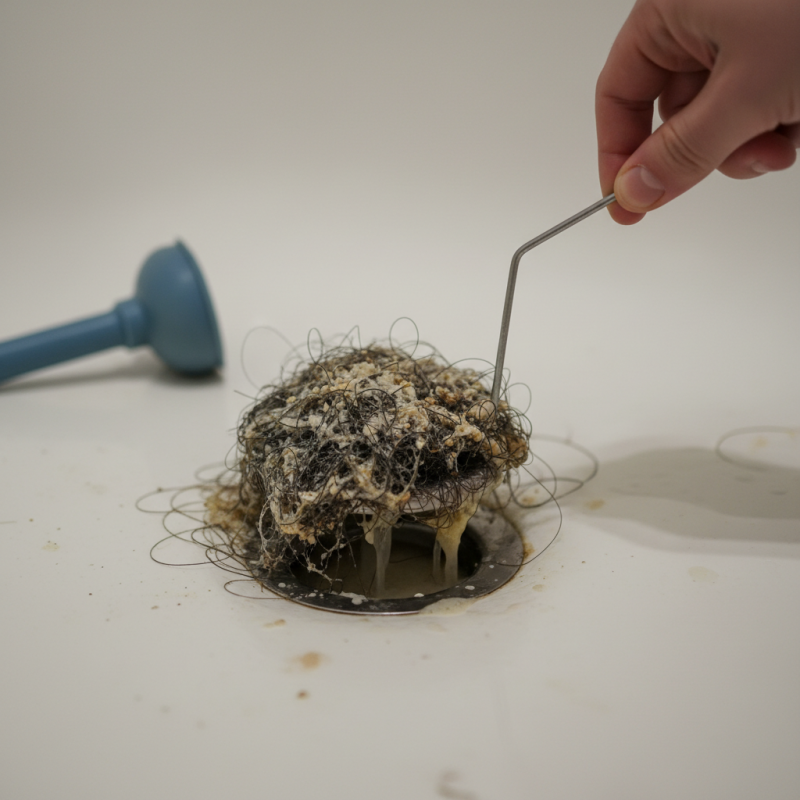
Causes of Bathtub Drain Clogs
Bathtub drain clogs can be a frustrating experience. Often, hair is the main culprit. Hair strands can easily combine with soap residue and other debris. Over time, this builds up, causing a blockage. It's common to find clumps of hair when you remove the drain cover.
Soap scum also plays a significant role. When soap mixes with water, it forms a film that sticks to pipes. This scum layers up, narrowing the drain path. Additionally, bath products like oils and thick creams contribute to this issue. They can create a sticky substance that attracts more debris.
In older homes, pipe age can be a factor too. Pipes corrode or accumulate mineral deposits, leading to restricted flow. It's important to regularly check and maintain your drains. Drain strainers can help catch hair and larger particles. Understanding these causes can lead to effective fixes and a cleaner bathtub experience.
Why Is My Bathtub Drain Clogged and How to Fix It? - Causes of Bathtub Drain Clogs
| Cause of Clog | Description | Solution |
| Hair Accumulation | Hair can easily get trapped in the drain and combine with soap scum to create a blockage. | Use a drain snake or a hair catcher to remove clogs. Regularly clean the drain to prevent buildup. |
| Soap Scum | Residual soap can create a greasy film that traps other debris. | Use a vinegar and baking soda solution to break down soap scum. Regular cleaning helps minimize the issue. |
| Foreign Objects | Small items such as toy parts or cotton swabs can accidentally fall into the drain. | Use a pair of needle-nose pliers to retrieve the object. Prevent items from falling by using a drain cover. |
| Mineral Buildup | Hard water can lead to mineral deposits that narrow the drain pipe. | Install a water softener to reduce mineral buildup, and regularly clean the drain with descaling solutions. |
| Pipe Issues | Damaged or misaligned pipes can obstruct water flow. | Consult a plumber for inspection and possible repairs or replacements. |
Signs Indicating a Clogged Bathtub Drain
A clogged bathtub drain can be a major inconvenience. Recognizing the signs early can save you time and frustration. Look for slow drainage. If water lingers around your ankles while bathing, this is a clear sign. It might seem minor, but it often indicates a buildup of hair and soap scum.
Another sign is an unpleasant smell. A clogged drain can lead to stagnant water, which may emit foul odors. If you notice a musty scent, it might be time to investigate. Gurgling sounds when draining water can also indicate a blockage. These sounds are often caused by air trying to escape around a blockage.
Lastly, be mindful of frequent drain cleaning. If you find yourself cleaning the drain more often, this could indicate an underlying issue. Observing these signs early can prevent larger problems. Sometimes, it’s necessary to call a professional. They can offer expert solutions and ensure your plumbing system is in good shape.
Tools and Materials Needed for Clog Removal
Clogged bathtub drains can lead to frustrating situations. To tackle this, you need the right tools and materials. Essential items include a plunger, a drain snake, and a bucket. Ensure you also have rubber gloves and a flashlight. These tools can make your clog removal process effective.
When using a plunger, create a tight seal around the drain. This will maximize suction and help dislodge the blockage. The drain snake can reach deeper clogs that a plunger can't. Insert the snake gently to avoid damaging the pipes. Keep the area clean and organized to work efficiently.
Tips: Always wear gloves to protect your hands. If you're unsure about the clog's nature, take a moment to reflect. Slow down and observe. Sometimes, hair and soap buildup requires a simple manual removal before using tools. Being proactive can save time and energy later.
Step-by-Step Guide to Clearing a Clogged Drain
Clogged bathtub drains are a common nuisance. Hair, soap scum, and debris accumulate over time, blocking water flow. To tackle this issue, you can follow a practical step-by-step guide.
Begin by inspecting the drain. Remove the drain cover and pull out any visible hair or gunk. Use a flashlight if necessary. If you see a significant blockage, a simple dry/wet vacuum can suction it out, making this part easier.
For tougher clogs, employ a mixture of baking soda and vinegar. Pour half a cup of baking soda into the drain, followed by half a cup of vinegar. Cover the drain for about 30 minutes. This will help break down stubborn buildup. Afterward, flush with hot water to see if the flow improves.
Here are some helpful tips: Regular maintenance is crucial. Cleaning your drain every month can prevent buildup. Additionally, consider using a drain strainer to catch hair before it goes down the drain. Remember, keeping your bathtub drain clear takes diligence but pays off in the long run.
Preventive Measures to Avoid Future Clogs
To prevent future clogs in your bathtub drain, it's essential to adopt simple yet effective habits. Regular maintenance is key. Begin by using a hair catcher in the drain. This small tool can trap hair and soap scum before they accumulate. Cleaning the hair catcher weekly can prevent buildup and potential clogs.
Consider using a mixture of baking soda and vinegar as a natural drain cleaner. Pour half a cup of baking soda down the drain, followed by half a cup of vinegar. Let it sit for about 30 minutes. This solution can break down residue and keep your pipes clear. It’s a safe alternative to harsh chemicals.
Be mindful of what goes down your drain. Avoid rinsing off oily products, like lotions or heavy soaps. These substances can create sticky traps for debris. If you notice slow drainage, it might indicate a developing issue. Don’t ignore it. Addressing small problems can save you from bigger headaches later. Instead of waiting for a complete blockage, take a proactive approach to drain care. Regularly checking your drain can lead to fewer surprises and a smoother bathing experience.