Top 10 Benefits of Using Pneumatic Cylinders in Industry?
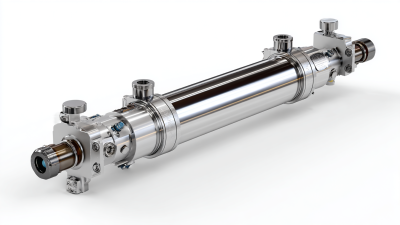
Pneumatic cylinders play a vital role in various industries. Their efficiency and reliability make them a popular choice for automation applications. These devices convert compressed air into mechanical energy, enabling precise movements in machinery and tools.
In manufacturing, pneumatic cylinders enhance productivity. They provide fast, controlled, and repeatable motions, crucial for tasks like assembly and packaging. Industries benefit from reduced downtime and increased output. Yet, challenges like air leaks and maintenance issues can arise. Users must be aware of these to optimize performance.
Understanding the benefits of pneumatic cylinders is essential. They not only improve efficiency but also reduce energy consumption. Investing in high-quality pneumatic cylinders can significantly impact operational costs. Each application can present unique challenges, highlighting the need for thoughtful implementation and upkeep.
Advantages of Pneumatic Cylinders for Industrial Automation
Pneumatic cylinders play a crucial role in industrial automation. Their efficiency stems from the use of compressed air to create motion. This method is often simpler than electrical systems. Pneumatic cylinders offer rapid movement and high force, making them ideal for various applications.
Automation processes benefit greatly from pneumatic systems. For instance, they enable fast and precise packaging in factories. This helps meet high production demands. Additionally, the maintenance of pneumatic systems is generally easier and more cost-effective. Air is readily available, reducing downtime associated with fluid leaks in hydraulic systems.
However, there are considerations for using pneumatic cylinders. Control can be less precise compared to electric actuators. Air compressibility can lead to minor delays during operation. Organizations must evaluate their needs and potential trade-offs. Understanding these aspects helps leverage the full potential of pneumatic technologies in industrial environments.
Top 10 Benefits of Using Pneumatic Cylinders in Industry
| Benefit |
Description |
| High Speed Operation |
Pneumatic cylinders can achieve rapid movement and faster cycle times compared to hydraulic or electric systems. |
| Ease of Control |
They offer simple and precise control over the movement, easily integrated into automated systems. |
| Low Initial Cost |
Pneumatic systems are generally less expensive to purchase and install than hydraulic or electric alternatives. |
| Safety |
Pneumatic systems are safer in many applications, as they are less likely to cause catastrophic failures compared to hydraulic systems. |
| Versatility |
They can be used in various applications, including assembly lines, packaging, and material handling. |
| Low Maintenance |
Pneumatic systems require minimal maintenance, leading to lower operational costs over time. |
| Environmentally Friendly |
Since they operate using compressed air, they have a lower environmental impact compared to hydraulic oil systems. |
| Compact Design |
Pneumatic cylinders have a compact footprint, making them suitable for limited space applications. |
| Power-to-Weight Ratio |
They offer an excellent power-to-weight ratio, enabling powerful lifting or pushing with a lightweight design. |
| Silence Operation |
Pneumatic systems operate with lower noise levels, contributing to a quieter working environment. |
Improved Speed and Efficiency in Manufacturing Processes
Pneumatic cylinders are gaining popularity in various industries due to their ability to enhance speed and efficiency in manufacturing processes. These devices convert compressed air into mechanical energy, allowing for rapid movement and precise control. As manufacturing demands increase, businesses need to find ways to optimize their operations, and pneumatic cylinders provide a strong solution.
Efficient manufacturing relies on quick response times. Pneumatic cylinders can operate faster than electrical systems, reducing cycle times. This boost in speed translates directly to higher productivity rates. In assembly lines, tasks that require quick and repetitive movements benefit the most from pneumatic technology. It is essential to regularly maintain these systems, ensuring they function optimally over time.
Here are some tips for maximizing the benefits of pneumatic cylinders: Ensure proper sizing for different applications to prevent inefficiencies. Regularly inspect for leaks, as even small leaks can impact performance. Employee training on the use of these cylinders can further streamline operations. While pneumatic systems are generally reliable, occasional evaluations can help identify areas for improvement. Adapting to these insights leads to enhanced manufacturing outcomes.
Top 10 Benefits of Using Pneumatic Cylinders in Industry
Enhanced Safety Features in Industrial Applications
Pneumatic cylinders play a crucial role in enhancing safety features within industrial applications.
These devices utilize compressed air to produce motion, which minimizes the risk of injuries associated with mechanical failures.
By operating with lower speeds and forces, pneumatic systems reduce the potential for accidents when compared to hydraulic or electric systems.
Operators appreciate the responsiveness of pneumatic cylinders, as they allow for quick stopping and less forceful impacts.
Another significant aspect of pneumatic cylinders is their built-in safety mechanisms.
Many of these systems include pressure relief valves that prevent over-pressurization.
This feature effectively reduces the chance of equipment failure. Furthermore, pneumatic cylinders can self-lock in the event of an air supply failure.
This capability helps to ensure that loads do not drop unexpectedly, minimizing hazards to personnel and equipment.
Despite their advantages, it is vital to regularly inspect and maintain pneumatic systems.
Over time, air leaks and wear can compromise safety features.
Operators must remain vigilant and conduct routine checks.
Occasional lapses in maintenance can lead to dangerous situations, highlighting the importance of diligence in ensuring ongoing safety in the workplace.
Lower Maintenance Costs Compared to Hydraulic Systems
Pneumatic cylinders have been gaining traction in various industries due to their lower maintenance costs compared to hydraulic systems. Research indicates that pneumatic systems can reduce maintenance expenses by up to 30%. This reduction stems from their simpler design, which uses air rather than fluid. As a result, there is a lower risk of leaks, which are a common issue in hydraulic systems.
Additionally, pneumatic systems operate effectively without the need for extensive filtration systems, which can be costly. According to industry data, maintenance costs for hydraulic systems can be as much as four times higher. This makes pneumatic cylinders an attractive choice for manufacturers seeking to streamline their operations and improve their bottom line.
Moreover, pneumatic cylinders provide high-speed operation and quick response times. Their lightweight components also contribute to reduced wear and tear. However, some industries may still overlook their potential and cling to outdated hydraulic systems. Embracing pneumatic technology may require re-evaluating existing processes and considering the long-term savings.
Versatility and Adaptability in Various Industrial Settings
Pneumatic cylinders have emerged as vital components in various industrial applications, offering remarkable versatility and adaptability. According to a recent market analysis report, the global pneumatic systems market is projected to reach $50 billion by 2025, reflecting their growing importance across sectors. Their ability to provide linear motion makes them suitable for diverse tasks, from assembly lines to packaging processes.
The adaptability of pneumatic cylinders allows industries to customize solutions for different applications. They can operate effectively in environments with varying temperature ranges and humidity levels. This adaptability can reduce downtime and maintenance costs. For instance, the food processing industry utilizes pneumatic systems due to their ease of cleaning and resistance to contamination, as indicated in a 2022 survey of industry practices.
However, this versatility also brings challenges. Engineers must carefully consider the specifications of pneumatic cylinders. Selecting the wrong size or pressure rating can lead to inefficient operation. Furthermore, while pneumatic systems are generally reliable, they can be vulnerable to leaks, impacting overall efficiency. Continuous monitoring and timely maintenance are crucial in mitigating these risks. Balancing performance and reliability remains a key focus area for industries relying on pneumatic technology.