What Is the Best CNC Swiss Lathe Machine in China?
Choosing the best Cnc Swiss Lathe Machine in China depends on the part, not the showroom display. A slender stainless-steel pin, a brass connector, and a titanium medical component place different demands on spindle speed, rigidity, tooling, and chip control. Bar capacity matters. So does the machine’s ability to hold close tolerances through a full production run. A polished brochure cannot prove that.
As a practical buying principle, fictional CNC applications engineer Lin Wei puts it this way: “Judge the machine by stable parts, not impressive specifications.” This is an illustrative quote, not a verified statement from a real expert. For a reliable comparison, buyers should examine sample parts, inspect repeatability data, and ask how the supplier supports setup, maintenance, and operator training. Request details about the control system, guide-bushing options, live tooling, and the work envelope. Then match those features to your actual drawings and expected volumes.
Small details reveal a lot. Ask to see a finished part measured after a sustained run, not only a single demonstration cut. Check whether local technicians can respond quickly, and confirm which components are sourced domestically or imported. No single Chinese machine is best for every workshop. Some specifications may look excellent on paper, yet still need confirmation under your materials, tooling, and cycle times. The comparison ahead weighs those trade-offs carefully, while recognizing that one question remains: which machine fits your production reality?
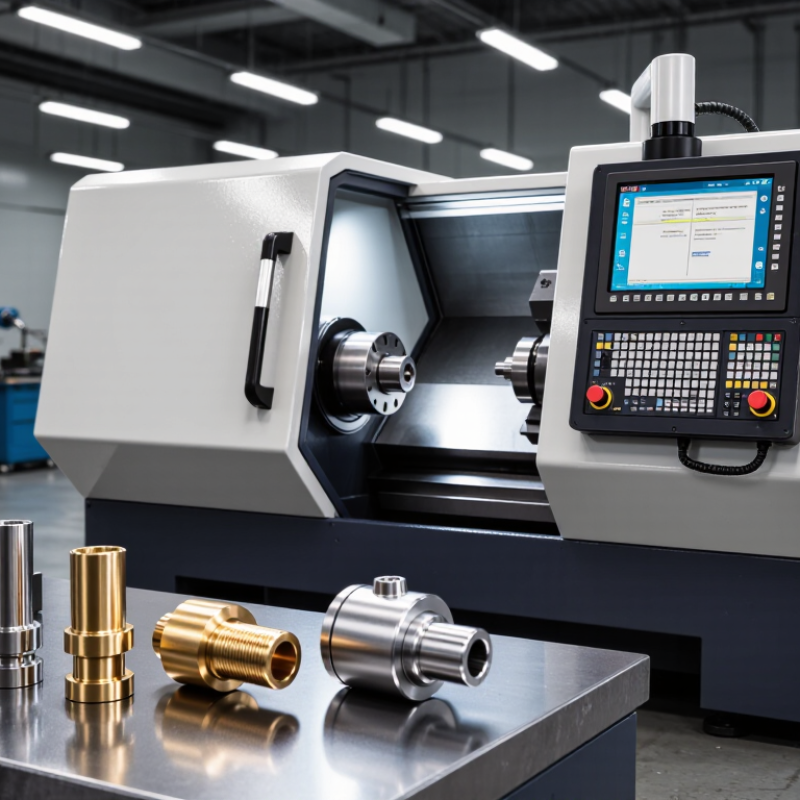
What Is a CNC Swiss Lathe and What Is It Used For?
A CNC Swiss lathe is a computer-controlled turning machine designed for small, precise parts. Its bar stock passes through a guide bushing, which supports the material close to the cutting tools. The headstock moves the bar as machining progresses, helping limit deflection on long, slender workpieces. That matters. Depending on its configuration, the machine can turn, drill, and mill features in one setup. Tool layout and machine capacity vary, so not every model handles the same part geometry or materials.
Swiss lathes are commonly used to make precision pins, shafts, connector contacts, and miniature valve components. These parts often have narrow diameters, multiple steps, or small cross-holes. A guide bushing can help maintain stability while tools work near the cut, though results still depend on setup and tool condition. In practice, even a capable machine may need careful adjustment for a new part. Bar straightness, chip control, and tool wear can affect surface finish and dimensions. A short test run, followed by measurement of the first parts, can reveal problems before a longer production run begins.
How Does a CNC Swiss Lathe Machine Work?
A CNC Swiss lathe machines slender parts by supporting the bar close to the cutting tool. The bar passes through a guide bushing, while a sliding headstock feeds it forward in small, controlled movements. This support helps limit vibration, especially when producing long pins, miniature shafts, or narrow medical and electronic components.
The cutting action is coordinated by computer-controlled axes. Main tools work near the guide bushing, and additional tools can drill, groove, or mill features during the same cycle. A typical part might receive a turned diameter, a cross-hole, and a short thread without being moved to another machine. That can improve consistency, but only when the program, tooling, and material feed are set correctly. Small errors matter.
Coolant carries heat away, while chips need a clear path out of the cutting area. Operators check tool wear, bar alignment, and finished dimensions during production; automation does not remove the need for inspection. In practice, the first setup is rarely perfect. A tiny adjustment to feed rate or tool position may reduce burrs, though excessive changes can create new problems. For buyers comparing machines in China, the useful question is not only how fast a lathe runs, but whether its support system, control, and service fit the parts being made.
Which Features Define a High-Quality Swiss Lathe?
A high-quality Swiss lathe holds size across long production runs, not just on a showroom sample. Look for measured spindle runout, repeatable axis positioning, and a rigid sliding-headstock system. Ask for test records under relevant ISO 230-2 methods, which specify how positioning accuracy and repeatability are measured. Numbers matter. So does the test setup: bar material, temperature, and tool condition can change results.
Thermal control is another defining feature. A stable machine should manage heat from the spindle, cutting zone, and coolant, especially when producing small parts with tight tolerances. Check whether the coolant system filters fine chips and reaches the cutting edge. A clean chip conveyor and dependable bar feeder also reduce interruptions. Grand View Research valued the global CNC machine market at USD 101.22 billion in 2023 and projected 9.5% annual growth from 2024 to 2030. This broad market forecast signals investment, but it does not prove that any individual Swiss lathe is accurate.
Evaluate the control and tooling package against your actual parts. Can operators set offsets clearly, monitor tool wear, and change jobs without losing hours? Request a trial using your material and drawing. Inspect the first pieces, then parts produced after several hours. That test may expose weaknesses a brochure misses. Even a capable machine can disappoint if setup support or maintenance is poor; I would weigh those factors alongside speed.
What Defines a High-Quality CNC Swiss Lathe?
Illustrative precision targets for comparing machines. Lower tolerances indicate tighter performance; confirm measurement methods and test conditions with the manufacturer.
How Can CNC Swiss Lathe Machines in China Be Compared?
Comparing CNC Swiss lathe machines in China should start with your part, not a brochure. Ask each supplier to machine the same drawing in your target material. Inspect diameter consistency, surface finish, and burrs under identical conditions. A shiny sample proves little. Request cycle-time data, tool layout, bar capacity, and tolerance records for the actual setup. Check the details.
Look closely at spindle runout, guide-bushing adjustment, and chip evacuation. These affect small parts more than polished control screens do. Ask to see a production run, not only a demonstration cut. Listen for vibration as the tool engages, and check whether chips wrap around the workpiece. That matters. Compare included software, operator training, spare-part availability, and response times for technical support. Written answers are easier to verify than promises made during a factory visit.
Price still matters, but compare the complete installation: machine, tooling, freight, commissioning, and training. Ask what maintenance intervals are recommended and which components wear fastest. A lower initial quote may leave important tooling or service outside the package. One limitation: test cuts cannot predict every production problem. A long-term trial is better, though not always practical. Record assumptions clearly, especially material grade, tool life, and inspection method, so competing quotations stay comparable.
What Is the Best CNC Swiss Lathe Machine in China? - How Can CNC Swiss Lathe Machines in China Be Compared?
There is no single best CNC Swiss lathe for every application. The right choice depends on bar diameter, part geometry, production volume, machining operations, and the machine’s verified specifications. The ranges below are general selection guidelines, not guaranteed specifications for any particular machine.
| Machine Configuration | Typical Bar-Diameter Range | Suitable Part Types | Typical Capabilities | Main Advantages | Points to Check |
| Compact Swiss-type lathe | Approximately 3–12 mm | Small pins, shafts, connectors, and precision components | Sliding-headstock turning; configuration-dependent live tooling and sub-spindle options | Small footprint and well suited to small-diameter, high-volume parts | Confirm tool capacity, achievable tolerances for the actual material, and whether the required secondary operations are supported |
| Small-to-medium Swiss-type lathe | Approximately 12–20 mm | Medical, electronics, automotive, and general precision parts | Turning with optional cross-drilling, milling, and sub-spindle machining, depending on configuration | Versatile choice for a broad range of slender precision components | Compare available tool stations, simultaneous machining features, guide-bushing options, and setup requirements |
| Medium-capacity Swiss-type lathe | Approximately 20–32 mm | Larger shafts, fittings, fasteners, and complex turned components | More room for tools and larger workpieces; live tooling and sub-spindle features are model-dependent | Can accommodate a wider range of part sizes and machining operations | Check spindle power and speed, bar-feeder compatibility, part-length limits, and cycle time on representative work |
| Large-capacity Swiss-type lathe | Approximately 32–38 mm; some configurations may differ | Thicker shafts, larger fittings, and parts requiring Swiss-style support | Sliding-headstock machining at larger bar diameters; available operations depend on the machine configuration | Provides Swiss-type processing for parts that exceed common small-bar capacity | Verify rated bar capacity, guide-bushing or chucker-mode options, machine footprint, and the actual material’s cutting requirements |
| Multi-operation configuration with sub-spindle | Varies by machine; commonly selected within small-to-medium capacities | Parts requiring machining on both ends or several operations in one setup | May transfer a part to a sub-spindle for back-side machining; features and synchronization vary | Can reduce separate handling and secondary setups when the part suits the process | Request a cycle-time review using the part drawing, and check transfer limits, tooling layout, and programming support |
How to compare machines: Use the same part drawing and material when requesting quotations. Compare the rated bar capacity, spindle and sub-spindle specifications, tool stations, supported machining operations, bar-feeder compatibility, control and programming support, service coverage, and acceptance-test results. Confirm every specification against the exact machine configuration and its technical documentation.
Which Machine Best Fits Different Production Needs?
The best CNC Swiss lathe machine depends on the part, production volume, and shop conditions. A shop making 3-millimeter medical fasteners has different needs from one turning 25-millimeter automotive shafts. Check the machine’s bar capacity, spindle speed, axis configuration, and supported tooling against real part drawings. More axes can reduce secondary operations, but they may add setup time and programming complexity. More capability is not always better.
For short runs and frequent design changes, prioritize quick changeovers, accessible tooling, and straightforward programming. An operator should be able to reach collets and guide bushings without fighting crowded access. For long, repeat orders, stable feeding, reliable chip control, and unattended-running safeguards matter more. Test with the intended material: stainless steel can produce long, difficult chips, while softer alloys may smear if cutting conditions are poorly matched. Ask for a sample cut, not just a specification sheet.
A useful comparison includes tolerances, cycle time, tool life, service response, and training needs. Request a trial using a representative component, then inspect its surface finish and dimensions over several pieces. One perfect sample proves little. Even this method has limits: a test may not reveal months of maintenance demands or operator fatigue. The right choice is the machine that meets today’s production targets without making routine work harder than it needs to be.