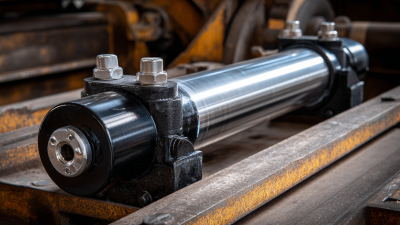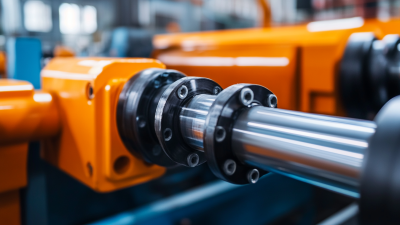
Choosing a reliable Small Hydraulic Cylinder supplier requires more than comparing prices or attractive catalog images. This guide examines ten suppliers worldwide through practical, technical, and service-based criteria. Their products may support agricultural machinery, lifting platforms, construction equipment, and specialized industrial systems. A compact cylinder can face serious loads. Small dimensions do not mean low performance.
The evaluation considers bore diameter, stroke length, operating pressure, mounting options, seal quality, corrosion resistance, and testing procedures. Supplier experience also matters, especially when a cylinder must fit limited installation space. Detailed drawings, material specifications, pressure-test records, and traceable quality controls can reveal more than general marketing claims. ISO certifications may support credibility, but certification alone does not guarantee a perfect product. Real application evidence still matters.
Readers should also compare customization capability, minimum order quantities, delivery times, warranty terms, and technical communication. A responsive engineer can prevent costly mistakes involving rod alignment, side loading, or unsuitable seals. Some suppliers offer impressive engineering support, while others compete mainly through volume production. Neither approach is automatically better. No supplier is flawless. Specifications can change, and published data may require direct confirmation before purchase. This article therefore provides a balanced starting point, not a substitute for testing or professional design review. The strongest choice will depend on load cycles, working environment, budget, and the reliability expected from each Small Hydraulic Cylinder. Practical details matter most.
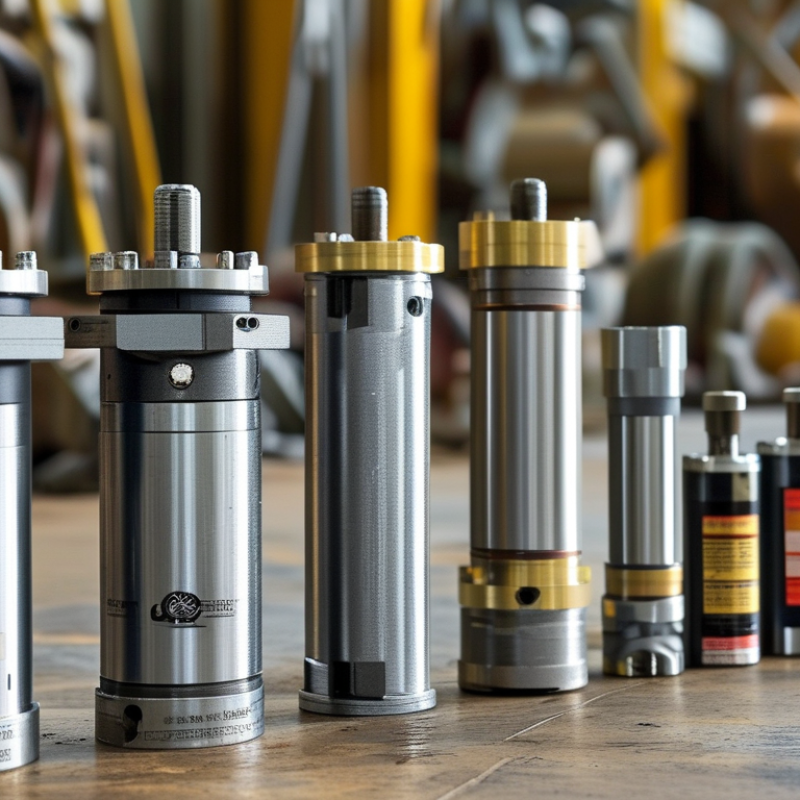
A small hydraulic cylinder supplier is not defined by product size alone. It is defined by control over details. Grand View Research estimated the global hydraulic cylinder market at approximately USD 15 billion in 2023, with steady growth expected through 2030. This expansion raises a practical question: can a small supplier deliver repeatable performance, not merely attractive quotations?
A reliable supplier should provide clear bore, rod diameter, stroke, mounting, seal, and pressure data. For compact machinery, a two-millimeter error can cause binding, leakage, or uneven movement. Experienced suppliers explain load calculations and recommend suitable materials for temperature, corrosion, and side loading. They should also test cylinders against documented procedures, such as pressure holding and leakage checks. ISO 9001-based quality systems help, but certificates alone prove little. Inspection records matter more.
Small suppliers often compete through customization and shorter communication lines. That can be valuable when a machine needs a 120-millimeter stroke or an unusual mounting eye. Reports from MarketsandMarkets identify construction and industrial equipment as important hydraulic-cylinder demand sectors, where downtime can quickly exceed component cost. Ask for dimensional drawings, material details, test results, and realistic lead times. Very low prices deserve scrutiny. I have seen specifications accepted too quickly, then revised after production began. That mistake is preventable. Reliability is sometimes less visible than speed.
Choosing a small hydraulic cylinder supplier requires more than comparing prices. Quality begins with accurate engineering drawings, suitable seals, and verified material grades. Ask whether the supplier can match bore size, stroke length, mounting style, and operating pressure precisely. A reliable manufacturer should provide inspection records, pressure-test results, and clear product tolerances. These documents reveal more than polished catalog images.
Request a sample before placing a large order. Examine the cylinder for smooth rod movement, clean welds, and consistent surface finishing. Test it under realistic loads, temperatures, and operating cycles. Supplier experience matters, but practical evidence matters more. Check production equipment, quality-control procedures, traceability, and response times. Certifications can support credibility, yet they should not replace direct testing. No supplier is perfect. Even strong evaluations can miss communication problems or delayed spare parts.
Tips: Ask for a detailed quotation, including seals, packaging, testing, warranty terms, and delivery dates. Confirm how the supplier handles design changes and failed components. Contact recent customers when possible. Their feedback may expose issues hidden during sales discussions. Compare at least three suppliers using the same technical checklist. Keep every revision in writing. A low initial price can become expensive after leakage, downtime, or repeated adjustments. A dependable supplier explains limitations honestly and welcomes engineering questions. That is a useful sign of professional reliability.
Profiles of the 10 Best Small Hydraulic Cylinder Suppliers
The ten suppliers profiled here represent different strengths in compact hydraulic design. Supplier A focuses on agricultural attachments, offering short-stroke cylinders with replaceable seals. Supplier B serves mobile equipment and emphasizes low-weight steel bodies. Supplier C supplies custom bore sizes for automated machinery. Supplier D is known for corrosion-resistant finishes in marine environments. Supplier E targets repair markets with stocked metric dimensions. Supplier F develops miniature cylinders for material-handling systems. Supplier G supports high-cycle factory equipment and documents fatigue testing. Supplier H concentrates on welded cylinders for construction tools. Supplier I combines engineering support with small-batch production. Supplier J competes through fast prototyping, though delivery consistency deserves careful checking.
Market data supports this demand. Grand View Research identifies construction and industrial machinery as leading hydraulic-cylinder applications, while MarketsandMarkets projects continued growth through 2028. Small cylinders benefit from equipment miniaturization, tighter installation spaces, and rising automation. Compact does not mean simple.
During supplier evaluation, buyers should compare rated pressure, rod buckling resistance, leakage records, and seal compatibility. ISO 6020/2 and ISO 6022 provide useful reference points for dimensions and performance. Ask for test reports, not attractive promises. Supplier A offers strong documentation, while Supplier F provides flexible customization but longer sampling times. Supplier D performs well against moisture, yet its coating options increase cost. Supplier J appears responsive, although its published service-life data remains incomplete. That matters. A practical review should also measure machining tolerance, spare-part availability, warranty terms, and actual lead time. Industry reports offer direction, but factory evidence should decide the purchase.
| Profile | Primary Production Region | Typical Small-Cylinder Design | Typical Bore Range | Typical Stroke Range | Typical Working Pressure | Common Mounting Options | Customization Capability | Typical Applications | Quality & Compliance Focus | Market Position |
|---|---|---|---|---|---|---|---|---|---|---|
| Supplier Profile 01 | Western Europe | Double-acting tie-rod and welded cylinders | 20–100 mm | 25–500 mm | 160–250 bar | Clevis, trunnion, flange, and foot mounts | High; seals, ports, rod coatings, and dimensions can be adapted | Material handling, automation, agricultural equipment | Dimensional inspection, pressure testing, traceable materials | ★★★★★ |
| Supplier Profile 02 | North America | Compact welded and cartridge-style cylinders | 25–80 mm | 25–300 mm | 140–210 bar | Side-lug, flange, clevis, and cross-tube mounts | High; suitable for low-clearance equipment | Construction machinery, utility vehicles, lifting systems | Pressure testing, weld inspection, controlled assembly procedures | ★★★★★ |
| Supplier Profile 03 | East Asia | Miniature tie-rod and compact hydraulic cylinders | 16–80 mm | 20–400 mm | 100–210 bar | Threaded, clevis, flange, and pivot mounts | High; flexible bore, stroke, and port configurations | Industrial automation, machine tools, compact power units | Leak testing, surface-finish control, batch inspection | ★★★★☆ |
| Supplier Profile 04 | Central Europe | Precision-ground rod cylinders for industrial systems | 25–100 mm | 40–600 mm | 160–250 bar | Front flange, rear flange, clevis, and spherical-eye mounts | High; engineered designs available for repeated-duty cycles | Factory automation, packaging machinery, process equipment | Material certificates, pressure testing, tolerance verification | ★★★★★ |
| Supplier Profile 05 | South Asia | General-purpose welded and tie-rod cylinders | 25–100 mm | 50–500 mm | 125–210 bar | Clevis, eye, flange, foot, and trunnion mounts | Medium to high; suited to standard and made-to-order designs | Agricultural machinery, presses, handling equipment | Hydrostatic testing, visual inspection, machining controls | ★★★★☆ |
| Supplier Profile 06 | East Asia | Compact stainless-steel and corrosion-resistant cylinders | 20–63 mm | 25–250 mm | 100–160 bar | Threaded, clevis, flange, and articulated mounts | High; materials and sealing systems can be selected by environment | Food-processing equipment, marine systems, washdown machinery | Corrosion-resistance checks, cleanliness control, leak testing | ★★★★☆ |
| Supplier Profile 07 | Southern Europe | Compact cylinders for mobile and agricultural applications | 25–90 mm | 40–400 mm | 160–250 bar | Clevis, spherical-eye, flange, and trunnion mounts | High; suitable for mobile-equipment envelope constraints | Tractors, compact loaders, lifting platforms, transport equipment | Pressure-cycle testing, weld-quality checks, coating inspection | ★★★★☆ |
| Supplier Profile 08 | Northwestern Europe | High-cycle cylinders with guided or reinforced rod assemblies | 25–80 mm | 25–350 mm | 160–250 bar | Foot, flange, clevis, and pivot mounts | High; optimized for frequent cycling and controlled motion | Robotics, production lines, material handling, recycling equipment | Cycle testing, rod straightness checks, seal-performance testing | ★★★★★ |
| Supplier Profile 09 | East Asia | Cost-efficient standard and semi-custom hydraulic cylinders | 20–100 mm | 25–500 mm | 125–210 bar | Clevis, flange, threaded, and cross-tube mounts | Medium to high; effective for repeat production programs | Compact machinery, agricultural tools, general industrial equipment | Incoming-material checks, dimensional inspection, pressure testing | ★★★★☆ |
| Supplier Profile 10 | Oceania | Heavy-duty compact cylinders for harsh operating conditions | 25–100 mm | 50–450 mm | 160–250 bar | Clevis, spherical-eye, flange, and trunnion mounts | High; options include protective coatings and contamination-resistant seals | Mining support equipment, marine handling, infrastructure machinery | Load testing, corrosion protection, weld and surface inspection | ★★★★☆ |
| The specifications shown are representative industry ranges for small hydraulic cylinders and are intended for supplier comparison. Exact bore, stroke, pressure, mounting, material, and certification details should be confirmed against the selected supplier’s current technical documentation. | ||||||||||
Comparing the ten best small hydraulic cylinder suppliers requires more than checking price lists. Product range matters. Look for compact single-acting and double-acting cylinders, tie-rod designs, stainless-steel options, and cylinders rated for harsh environments. MarketsandMarkets estimated the global hydraulic cylinder market at about USD 14.7 billion in 2023, with continued growth driven by construction, agriculture, and material handling. This demand makes catalog depth important, but a wider range is not always better.
Customization separates capable suppliers from ordinary distributors. Ask about bore diameter, stroke length, mounting style, seals, port position, and operating pressure. A field engineer should review the load cycle, side forces, temperature, and fluid type before recommending a model. Grand View Research reported that automation and industrial equipment remain major demand areas for hydraulic cylinders. In practice, a cylinder for a compact lift may need different seals and mounting tolerances than one used on agricultural machinery. Small errors become expensive leaks. I have seen specifications copied too quickly, without checking real duty cycles.
Tips:
Request a dimensional drawing before ordering. Confirm testing records, material certificates, and replacement-seal availability. Compare delivery times for standard and custom units. Ask whether prototypes receive pressure testing. A supplier offering customization may still lack application experience, so request a relevant case example. Do not select solely by rated force; alignment, speed, contamination, and maintenance access can change performance significantly. Industry reports provide useful market direction, but your machine data should control the final decision.
When comparing the 10 best small hydraulic cylinder suppliers worldwide, price is only the opening figure. In practical sourcing work, I check bore size, stroke, seal material, mounting style, and tested pressure. A low quote can hide tooling charges, export packing, or costly minimum orders. Ask for a written quotation with currency, delivery terms, warranty length, and replacement-part pricing. Compare equal specifications, not attractive numbers.
Certifications deserve direct verification. Request current quality certificates, pressure-test records, material traceability, and factory inspection details. ISO 9001 can indicate controlled processes, but it does not guarantee every cylinder will fit your machine. Confirm compliance with the standards required in your destination market. A supplier should explain tolerance limits and leak-test methods clearly. If answers remain vague, treat that as evidence, not a minor inconvenience. I have learned that polished documents can still miss field realities.
Tips: Send one technical drawing and one duty cycle. Request a sample before volume purchasing. Test it under actual load, temperature, and side-force conditions. Check whether engineers respond within one working day. Ask for multilingual manuals, remote troubleshooting, and local service contacts. Clarify customs documents and emergency replacement timing. Support sounds impressive until a damaged seal stops production. Leave room for honest uncertainty; projected service life is an estimate, not a promise.