Why Choose Carbide Tools for Your Manufacturing Needs?
In the competitive world of manufacturing, choosing the right tools is crucial. Expert Jonathan Reynolds, a leading authority in the field, states, "Carbide Tools elevate productivity through precision and durability." This highlights the significance of carbide tools in enhancing manufacturing processes.
Carbide tools stand out due to their robust nature. They resist wear and tear, making them ideal for high-production environments. Manufacturers often lean towards them for their reliability. The consistent performance of carbide tools reduces downtime. That appeals to many businesses aiming for efficiency.
However, it is essential to acknowledge that not all carbide tools are the same. Quality can vary across different manufacturers. Companies may face challenges in selecting the right products. A careful evaluation is necessary to avoid potential pitfalls. The key is to balance quality and cost. Only then can manufacturers fully benefit from carbide tools.
Benefits of Using Carbide Tools in Manufacturing Processes
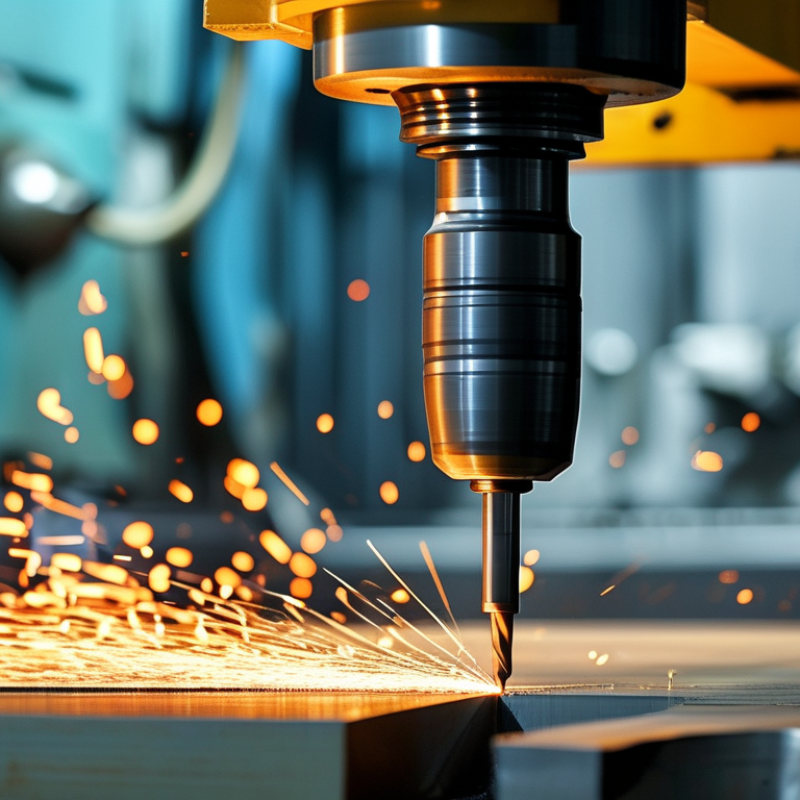
Carbide tools are increasingly popular in manufacturing due to their unmatched durability and performance. These tools can withstand high temperatures. They maintain sharpness longer than their high-speed steel counterparts. This results in fewer tool changes and less downtime. Manufacturers often find that using carbide tools leads to increased productivity.
Another notable benefit is the precision they provide. Carbide tools are engineered for accuracy, which helps reduce errors. This is especially important in industries where tolerances are tight. Many appreciate that the cutting edges can be sharpened multiple times. However, it requires proper handling. Some operators might struggle with fine-tuning their use.
Moreover, as they resist wear and tear, carbide tools contribute to cost-effectiveness over time. The initial investment may be higher, but the long-term savings are significant. However, a downside can be their brittleness. Without careful use, they can chip or break. Addressing this requires training and awareness among operators.
Comparison of Carbide Tools to Traditional Tool Materials
Carbide tools are rapidly gaining popularity over traditional tool materials due to their superior performance. According to industry reports, carbide tools can last up to five times longer than high-speed steel (HSS) tools. This longevity means fewer tool changes and reduced downtime, enhancing overall productivity in manufacturing processes.
When comparing carbide to standard materials, the differences become clear. Carbide's hardness allows it to maintain a sharp edge under extreme conditions. In fact, studies indicate that carbide can withstand temperatures above 1,000°F, while HSS degrades significantly beyond 600°F. This durability translates into improved precision and efficiency in machining operations.
However, the initial cost of carbide tools is higher than traditional alternatives. This factor can deter some manufacturers. Yet, considering the total cost of ownership, carbide tools may prove more economical over time. A detailed analysis shows that businesses can save up to 30% in machining costs by choosing carbide. This efficiency makes carbide a practical option when evaluated against traditional materials.
Durability and Longevity of Carbide Tools in Industrial Applications
Carbide tools offer exceptional durability and longevity in industrial applications. They are made from a hard compound known as tungsten carbide, which provides superior resistance to wear and tear. This makes them ideal for heavy-duty machining tasks where standard materials may fail. In environments with high temperatures and pressures, carbide tools maintain their sharpness longer than others.
One notable aspect of carbide tools is their ability to withstand harsh conditions. They perform well in various materials, from metals to composites. This versatility allows manufacturers to achieve greater precision and efficiency. However, the initial investment in carbide tools can be high. Businesses must analyze whether the long-term savings in tool replacements and maintenance justify the upfront costs.
Another point to consider is the need for proper handling and storage. Carbide tools can be brittle and may chip or break if dropped or mishandled. Training for operators is crucial to maximize the benefits. Ensuring that workers understand best practices can reduce the likelihood of costly mistakes. A careful approach to using carbide tools is vital for achieving the best results in any production process.
Cost-Effectiveness of Carbide Tools Over Time
Carbide tools have gained popularity in manufacturing due to their cost-effectiveness over time. A study from the Manufacturing Institute reveals that carbide’s lifespan can be nearly ten times longer than traditional tools. This increased durability leads to less frequent replacements, saving costs in the long run. In many cases, manufacturers find that initial investments in carbide pay off within a year due to reduced downtime and maintenance expenses.
Moreover, carbide tools maintain sharpness for extended periods. This sharpness translates to improved precision and efficiency in production processes. According to industry reports, companies can see a 20% increase in productivity with carbide tools. However, some manufacturers overlook the long-term savings and focus only on upfront costs, which can be misleading.
Tips: Consider the specific applications of your tools. Not all tasks require carbide. Regularly assess tool performance to determine if replacements are needed. Monitor productivity levels closely to ensure that your tool choices align with your manufacturing goals. Each choice impacts overall efficiency and cost.
Applications and Industries That Benefit from Carbide Tools
Carbide tools are highly versatile and essential in various industries. In manufacturing, they excel in metalworking, woodworking, and precision machining. These tools are known for their durability and resistance to wear. Many manufacturers rely on carbide tools for creating intricate parts. Their fine cutting edges support high-speed applications, reducing downtime.
In the aerospace industry, carbide tools are pivotal. They handle the demanding requirements of shaping tough materials like titanium and aluminum. This technology improves efficiency and accuracy in production. The automotive industry also benefits significantly. Carbide tools provide the precision needed for complex engine components. However, manufacturers must regularly evaluate tool performance to avoid premature wear.
The medical sector increasingly utilizes carbide tools, especially in surgical instruments. Precision is non-negotiable in this field. Yet, ensuring that tools maintain their cutting edge is a constant challenge. Companies must implement strict quality control processes. Overall, while carbide tools offer many advantages, ongoing assessment and adaptation are crucial for sustained success.