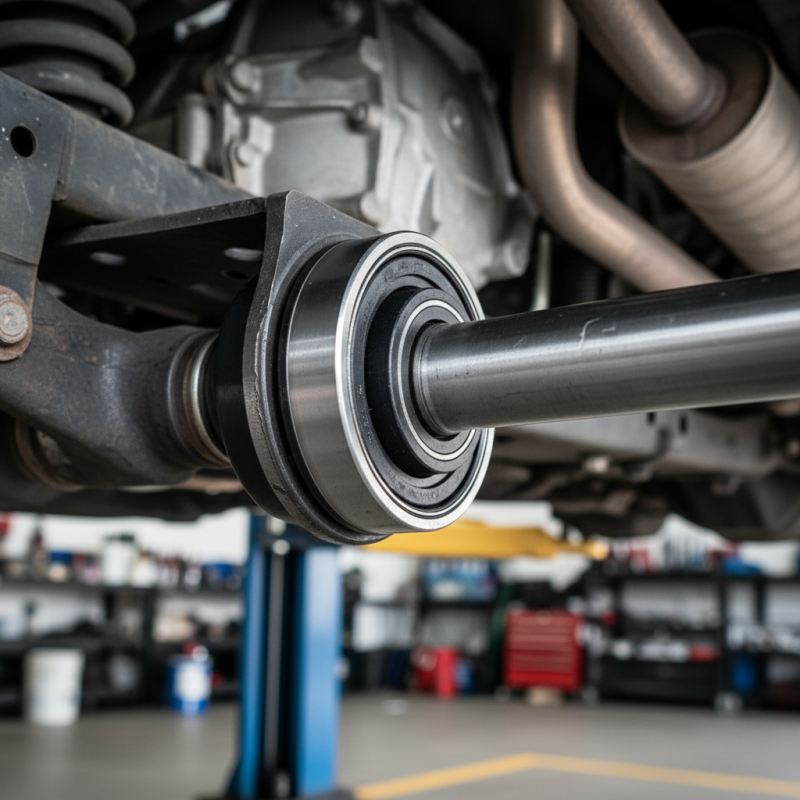
How to Choose the Right Center Bearing for Your Vehicle?
Choosing the right Center Bearing for your vehicle is essential. This component plays a crucial role in the drivetrain system. It supports the propeller shaft, ensuring smooth operation and minimizing vibrations.
When selecting a center bearing, consider your vehicle's make and model. Different cars have varying specifications. You might need to check your owner's manual or consult a mechanic for guidance.
Quality matters when choosing a center bearing. Low-quality options may lead to premature wear or failure. Reflect on the importance of investing in a reliable part. In the end, the right center bearing contributes significantly to your vehicle's performance.
Understanding the Function of a Center Bearing in Vehicles
A center bearing plays a crucial role in the driveline system of many vehicles. It supports the drive shaft and helps maintain its alignment. This is essential for smooth operation. When properly functioning, the center bearing allows the drive shaft to transfer power efficiently. It also reduces vibrations, enhancing overall driving comfort.
However, if this component fails, issues can arise. A worn or damaged center bearing may lead to noise and vibrations during driving. In some cases, this can escalate to more severe driveline problems. Drivers might feel an unbalanced ride or hear clunking sounds when accelerating. Regular inspection is important. Neglecting the center bearing can lead to greater repair costs down the line.
Choosing the right center bearing is vital for vehicle performance. Always consider the specifications needed for your vehicle. Not all center bearings are created equal. Some might fit physically, but lack the right support and durability. When in doubt, consulting with a professional can prevent potential issues. Proper selection helps avoid further complications that could arise from installation errors.
Identifying Common Signs of Center Bearing Problems
Center bearings play a crucial role in vehicle performance. Recognizing signs of issues early can save you time and money. One common symptom is unusual vibrations. If you start feeling vibrations in the cabin, it might indicate a failing center bearing. These vibrations can worsen during acceleration. Pay close attention to them.
Another telltale sign is noise. If you hear a grinding or clunking sound while driving, it’s worth investigating. Sometimes, the noise might be intermittent, complicating the diagnosis. An experienced mechanic can help identify the source. In some cases, the rubber surrounding the bearing may wear out. This can lead to misalignment, causing strain on other components.
Don’t forget about visual inspection. Look for any visible damages or leaks near the bearing area. If the bearing appears cracked, it's time to consider replacement. Regular maintenance checks can catch these issues early. Reflect on your vehicle’s behavior. If something feels off, trust your instincts. Ignoring these signs might lead to more significant problems down the road.
Factors to Consider When Choosing a Center Bearing
When selecting the right center bearing for your vehicle, several key factors come into play. Start with the size and type of the component. Measure the diameter and width of the original bearing. Ensure you get a fitting that matches these dimensions. Different vehicle models require specific bearing types. Compatibility is crucial—don’t overlook this.
Material quality is another significant aspect. Center bearings can be made from various materials, impacting durability and performance. Rubber and polyurethane are common choices. Rubber often absorbs vibrations better, while polyurethane may offer greater strength. Consider your driving conditions. If you frequently drive on rough terrain, durability should be your priority.
Performance ratings can also differ. Look for bearings with good reviews for noise and vibration dampening. A noisy bearing can indicate poor performance. Additionally, think about ease of installation. Some bearings may require special tools or expertise. Assess your own skills before attempting installation. Ignoring these details may lead to future regrets and further costs.
Factors to Consider When Choosing a Center Bearing
Tips for Selecting the Right Center Bearing for Your Vehicle
Choosing the right center bearing for your vehicle can be challenging. It plays a crucial role in the drivetrain. A faulty or incompatible bearing may lead to vibration or noise while driving. Checking your vehicle's specifications is essential. Not all bearings fit every model, so do some homework beforehand.
Look for quality materials in a center bearing. A durable rubber bushing can reduce vibrations. It also increases overall longevity. A bearing with a metal housing may be more robust. Don’t overlook the importance of proper installation. An incorrect fit can cause premature wear or even failure.
Consider consulting with a professional. They can guide you on the right bearing choices. Ask questions about compatibility and performance. Some mechanics may have experience with various models. Listening to their advice can often save you from costly mistakes. If you're uncertain, test different bearings and see how they improve your vehicle's handling.
Installation and Maintenance Best Practices for Center Bearings
When it comes to center bearings, proper installation is crucial. Start by ensuring the vehicle is safely lifted. Use a jack and support stands. This step matters. Removing the old bearing requires care. Inspect the surrounding parts for wear or damage. If you notice rust or cracks, consider replacing them. Rushed jobs lead to mistakes.
When installing the new center bearing, align it correctly. Misalignment can cause vibrations and noise. Tighten bolts securely, but be cautious not to overtighten. This can damage the bearing. After installation, it's vital to check the drivetrain. Listen for any unusual sounds during a test drive.
Maintenance is often overlooked but essential. Regularly inspect for signs of wear, like cracks or play in the bearing. Lubrication might be necessary. A simple check can prevent more extensive repairs later. If you experience any odd behavior while driving, address it immediately. Ignoring these issues can lead to costly repairs. Stay proactive with your vehicle's health.