How to Choose the Right Actuator Valve in 2026?

Choosing the right Actuator Valve in 2026 requires more than matching pipe size and pressure rating. The actuator must move the valve reliably under real operating conditions. Consider torque, travel time, duty cycle, temperature, corrosion, and available power. A valve installed outdoors may face dust, rain, vibration, and unstable air pressure. Those details can change the correct selection.

Greg McMillan, a veteran process-control engineer, states, “The control valve is the final control element in a control loop.” His observation remains practical. A well-tuned controller cannot compensate for an undersized actuator, incorrect fail position, or excessive mechanical friction. Engineers should review the process risk before comparing brands. They should also confirm signal compatibility, feedback accuracy, emergency behavior, and maintenance access. Small oversights become expensive downtime.

Performance matters. So does simplicity.

This guide examines how to select an Actuator Valve for industrial, commercial, and automated systems in 2026. It considers pneumatic, electric, and hydraulic options. It also explains when smart diagnostics justify higher initial costs. Manufacturer data should be checked against actual site conditions, not copied from a catalog. That sounds obvious, but it is often missed. A theoretically perfect actuator may still perform poorly when air quality is weak or power interruptions are common. The final decision should balance safety, response, lifecycle cost, compliance, and repairability. No selection method is flawless. However, a disciplined review can reduce surprises and support more reliable operation.
How to Choose the Right Actuator Valve in 2026?

Define the Process and Performance Requirements

How to Choose the Right Actuator Valve in 2026?
Define the Process and Performance Requirements

Start with the medium, temperature, pressure, flow range, and failure position. Record normal and extreme conditions, not only design values. A valve moving clean water may face abrasive particles, flashing, or chemical attack in real service. These details determine the body material, trim, sealing method, and actuator torque. Use IEC 60534 sizing methods to calculate flow capacity and avoid selecting by pipeline diameter alone.

Response time matters. A slow actuator can create unstable temperature or pressure control. An oversized actuator may cycle poorly and waste energy. The U.S. Environmental Protection Agency reports that compressed-air leaks can waste 20–30% of compressor output. Therefore, specify air consumption, supply pressure, and leakage testing before choosing a pneumatic design. For electric actuators, check duty cycle, stall protection, ambient temperature, and emergency operation.

I have seen valves pass bench tests but struggle with sticky media and frequent cycling. Field conditions are less polite. Define the required cycles per hour, allowable position error, noise limit, and maintenance access. The International Energy Agency’s Energy Efficiency 2024 analysis shows industry remains a major global energy consumer, so small control losses deserve attention. Recheck the worst-case torque with a safety margin, but do not hide uncertainty behind an excessive margin. That mistake increases cost and can reduce control quality.

Compare Actuator Valve Types and Operating Principles

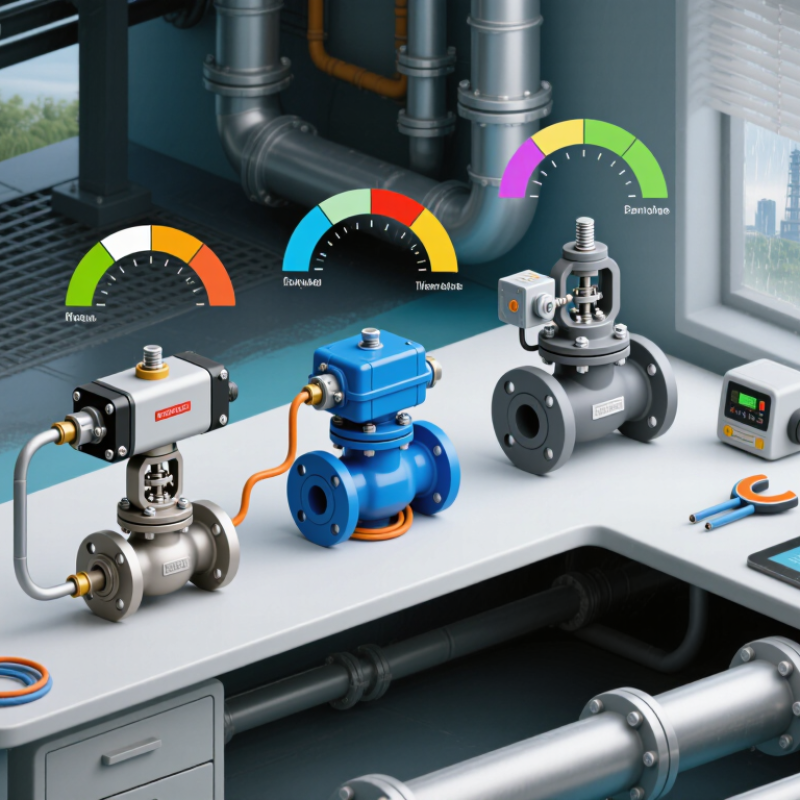
Choosing the right actuator valve in 2026 starts with its operating principle, not its purchase price. Pneumatic actuators use compressed air to create rapid rotary or linear movement. They suit frequent cycling, hazardous areas, and emergency shutdown duties. Electric actuators use a motor, gearbox, and control signal. They offer accurate positioning, simple wiring, and lower routine maintenance. Hydraulic actuators deliver high force from pressurized fluid, making them useful for large valves and demanding process loads.

According to Grand View Research, the global industrial valves market reached approximately USD 78.7 billion in 2023. This growth reflects wider automation across water, energy, and process industries. Yet market growth does not make every actuator suitable. Check valve torque, stroke time, duty cycle, ambient temperature, and required failure position. A pneumatic unit may close quickly, but it needs reliable air quality and a correctly sized compressor. An electric unit may simplify installation, but its motor can overheat during excessive cycling. Speed matters.

The International Energy Agency reports that electric motor systems consume about 53% of global electricity. Therefore, actuator efficiency deserves more attention during specification. For modulating service, electric control can provide precise feedback through position sensors. For on-off service, pneumatic operation may be more practical. I have seen selection tables overlook corrosion, cable entry, and manual override access. That is a costly mistake. Real sites are rarely as clean as design drawings suggest. Test the complete valve-and-actuator assembly under realistic pressure, temperature, and cycling conditions. A perfect calculation can still fail in poor installation.

How to Choose the Right Actuator Valve in 2026?

Comparing actuator valve types by operating principle and typical full-stroke time helps match valve automation to process speed, available utilities, control accuracy, and fail-safe requirements.

Pneumatic actuators use compressed air and are widely selected for fast, durable operation. Electric actuators use a motor and gearbox, making them suitable where electrical power is available and precise positioning is required. Hydraulic actuators provide high force and torque for demanding applications, while solenoid actuators are commonly used for rapid on/off service. The time ranges shown are typical engineering ranges; actual performance depends on valve size, pressure, load, control accessories, and safety configuration.

Match Materials, Pressure Ratings, and Environmental Conditions

How to Choose the Right Actuator Valve in 2026?

Match Materials, Pressure Ratings, and Environmental Conditions

Selecting an actuator valve starts with the fluid, not the actuator. Confirm whether the medium is water, steam, chemicals, slurry, or compressed gas. Body and seal materials must resist corrosion, swelling, abrasion, and temperature damage. A stainless body may perform well, but its seals can fail first. Small details matter.

Check the working pressure, peak pressure, and pressure during startup. Do not size the valve from normal readings alone. Compare the valve rating with verified operating data and applicable engineering standards. Then calculate actuator torque under the worst condition, including friction, pressure differential, and possible deposits. Add a practical safety margin, but avoid excessive sizing. Oversized actuators can increase cost and create control problems.

Environmental conditions often expose weak choices. Outdoor installations may face rain, salt spray, dust, freezing nights, or intense sunlight. In hazardous or washdown areas, enclosure protection and electrical compatibility require careful review. Temperature changes also affect lubrication, seals, and response time. Use supplier test records and installation experience, rather than relying on a catalogue image. It is easy to overlook short pressure spikes or cleaning chemicals. That mistake can shorten service life. Field conditions are rarely perfect. Recheck assumptions before approval.

How to Choose the Right Actuator Valve in 2026? - Match Materials, Pressure Ratings, and Environmental Conditions

Selection Dimension Typical Options Suitable Conditions or Media Typical Technical Range Important Selection Notes
Valve Type Ball, butterfly, plug, globe, diaphragm Isolation, throttling, hygienic service, slurry, or corrosive processes Quarter-turn valves are commonly paired with rotary actuators; globe valves generally use linear or multi-turn actuators Confirm required shutoff class, flow characteristic, pressure drop, and available installation space before sizing the actuator.
Valve Body Material Ductile iron, carbon steel, stainless steel, alloy steel, engineered plastic Water, steam, hydrocarbons, chemicals, low-weight corrosive-duty systems Pressure capability depends on body design, wall thickness, temperature, end connection, and applicable rating standard Do not select body material from pressure alone. Verify corrosion compatibility and the manufacturer’s pressure-temperature table.
Stainless Steel 316/316L Valve body, stem, fasteners, wetted trim Many water-treatment, food-processing, pharmaceutical, and moderately chloride-containing applications Good general corrosion resistance; not immune to pitting or stress-corrosion cracking in warm, concentrated chlorides For seawater or high-chloride service, evaluate duplex stainless steel, nickel alloys, plastics, or protective linings.
Carbon Steel Body and pressure-retaining components Oil, gas, compressed air, steam, and general industrial fluids where corrosion is controlled Suitable across many industrial pressure classes when correctly designed and rated Use coatings, corrosion allowance, or compatible liners when moisture, oxygen, or corrosive chemicals are present.
Valve Seat and Seal Material EPDM, NBR, FKM, PTFE, PEEK, metal seat Water, oil, fuels, chemicals, high-temperature fluids, abrasive or dirty media Common elastomer service limits are approximately −40 to 150°C depending on compound and design; PTFE is often used up to approximately 200°C, subject to pressure and manufacturer limits Check chemical compatibility, temperature cycling, permeation, pressure, abrasion, and required leakage class.
Pressure Rating PN10, PN16, PN25, PN40; Class 150, Class 300, or higher Low-, medium-, and high-pressure piping systems PN16 corresponds to a nominal 16 bar reference rating at defined conditions; actual allowable pressure decreases as temperature rises Select a rating above the maximum operating pressure, including surge, vacuum, and abnormal operating cases.
Pressure Differential Across Valve Low differential, moderate differential, full shutoff differential Water distribution, process control, gas isolation, steam, and liquid handling Actuator torque can increase significantly at maximum differential pressure, especially during valve breakaway Size the actuator using the highest required torque, not only the normal running torque.
Actuator Technology Electric, pneumatic, hydraulic, electro-hydraulic Plant automation, remote isolation, modulating control, emergency shutdown Pneumatic systems offer fast cycling; electric systems simplify wiring and modulation; hydraulic systems provide high torque density Consider power availability, response time, duty cycle, maintenance access, noise, and required fail position.
Actuator Sizing Torque or thrust plus safety margin All automated valve applications A common engineering practice is to include approximately 25–30% margin after confirming the complete torque or thrust curve Use actual breakaway, running, reseating, and end-position torque data. Excessive oversizing can damage seats and increase cost.
Fail-Safe Function Fail-open, fail-closed, fail-in-place Boiler fuel, cooling water, chemical dosing, fire protection, process isolation Spring-return pneumatic actuators commonly provide fail action; electric systems may require a battery or emergency power unit Define the safe position through a documented hazard analysis rather than choosing it solely from normal process flow.
Temperature Range Low-temperature, ambient, high-temperature service Outdoor piping, cryogenic systems, steam, hot oil, and furnace services Typical actuator ambient limits may be around −20 to 60°C, but the valve and seals may have different process limits Separate process temperature from actuator ambient temperature. Use extensions, insulation, heat shields, or low-temperature components when required.
Humidity and Water Exposure Indoor dry, outdoor sheltered, washdown, temporary immersion Water treatment, food plants, marine areas, outdoor utilities, wastewater facilities IP65 protects against dust and water jets; IP67 adds temporary immersion protection when certified for the product Ingress protection applies to the complete installed assembly, including cable glands, covers, conduit entries, and mounting orientation.
Corrosive Atmosphere Standard enclosure, coated enclosure, stainless enclosure, corrosion-resistant fasteners Coastal air, chlorine rooms, wastewater plants, chemical processing, fertilizer facilities Material and coating selection should reflect airborne chlorides, acids, alkalis, cleaning agents, and condensation Protect external hardware and electrical interfaces; do not assume a stainless enclosure alone solves all corrosion risks.
Hazardous Area Requirement Non-hazardous, intrinsically safe, explosion-protected, purged or pressurized Flammable gas, vapor, dust, or combustible fiber environments Classification depends on gas or dust group, temperature class, zone or division, and local regulations Verify certification for the complete actuator, solenoid, switches, positioner, cable entries, and installation method.
Control Mode On/off, inching, modulating, proportional control Isolation valves, flow regulation, pressure control, temperature control Modulating duty requires an actuator and control system rated for the required starts per hour and positioning accuracy Check deadband, repeatability, travel time, cycle frequency, control signal, and heat dissipation.
Manual Override Handwheel, declutchable gearbox, manual hydraulic pump Remote sites, emergency operation, maintenance isolation Override must be capable of operating the valve at the specified differential pressure Prevent simultaneous automatic and manual operation unless the design includes a safe mechanical or electrical interlock.
Mounting and Interface ISO 5211 mounting, stem adaptor, bracket, linear yoke Quarter-turn and linear automated valves Mounting pattern, drive dimensions, stem height, travel, and rotation direction must match Confirm mechanical compatibility before purchase; an actuator with adequate torque may still be incompatible with the valve interface.
Required Standards and Testing Pressure testing, leakage testing, electrical safety, ingress protection, hazardous-area certification General industrial, water, process, energy, and hazardous-location installations Common references include ISO 5211, IEC 60529, IEC 60079, and applicable valve pressure and leakage standards Specify the governing code, test certificate, documentation, and inspection plan before finalizing the equipment.
Maintenance and Lifecycle Replaceable seals, accessible limit switches, diagnostic feedback, standardized parts Continuous-process plants, remote installations, critical isolation points Maintenance interval depends on cycle frequency, media cleanliness, temperature, vibration, and corrosion Evaluate total cost of ownership, spare-part availability, diagnostic capability, energy use, and safe access.

Note: Pressure, temperature, torque, leakage, and material limits are application-dependent. Always verify the final selection against the valve and actuator manufacturer’s certified datasheets, the applicable piping code, and the site environmental classification.

Evaluate Control, Power, Safety, and Maintenance Features

How to Choose the Right Actuator Valve in 2026?

Control performance should match the process, not the catalog description. Check required torque, stroke time, positioning accuracy, and fail position. A quarter-turn valve may need rapid movement, while a modulating valve demands stable, repeatable control. The IEA’s Energy Efficiency 2023 report states that industry used about 37% of global final energy in 2022. Small control errors can therefore create measurable waste. Do not oversize the actuator. It may hunt, consume more power, and shorten valve life.

Control performance should match the process, not the catalog description.

Power selection deserves equal attention. Electric actuators suit clean, accessible installations, while pneumatic units can respond quickly in demanding environments. Compare available voltage, air quality, duty cycle, and emergency behavior. Safety functions should follow a documented risk assessment and relevant requirements, including IEC 61508 principles where applicable. Confirm the safe state during power loss. That detail is easy to miss.

Maintenance planning often separates a reliable installation from an expensive one.

Choose position feedback, manual override, local diagnostics, and accessible service points. Deloitte’s 2023 Smart Manufacturing and Operations Survey reported that 86% of manufacturing leaders considered smart manufacturing important for competitiveness. Yet more sensors do not guarantee better decisions. I would still require clear alarm logic, calibration records, and spare-part access. Field conditions are rarely perfect. The cheapest actuator can remain the wrong choice.

Verify Sizing, Standards, Installation, and Lifecycle Costs

How to Choose the Right Actuator Valve in 2026?

Verify Sizing, Standards, Installation, and Lifecycle Costs

Choosing an actuator valve starts with operating conditions, not catalog size. Record the medium, temperature, pressure, flow range, and required shutoff force. For control service, calculate the required Cv and pressure drop. For on-off service, verify breakaway and seating torque under the worst conditions. Do not size from pipe diameter alone. It often creates slow movement, poor control, or premature wear.

Standards must match the application and installation region. Check valve and actuator interfaces against recognized specifications, such as ISO 5211 or relevant control-valve standards. Confirm electrical ratings, enclosure protection, signal compatibility, and fail-safe requirements. Installation details matter just as much. Leave room for cable bends and manual access. Keep pneumatic air clean and dry. Align the valve correctly, then test travel, feedback, and emergency positioning before commissioning.

Lifecycle cost deserves a practical calculation. Include energy use, calibration, inspection, spare parts, downtime, and replacement labor. A cheaper actuator may consume more air or require frequent adjustment. That small difference becomes expensive over several years. Ask whether seals, gear components, and position feedback can be serviced without removing the valve. Keep records of torque readings and operating cycles. Experience shows that records are often incomplete. That is a weakness worth correcting, because poor history can hide a developing failure.