Why Are Hydraulic Rams Essential for Modern Machinery?
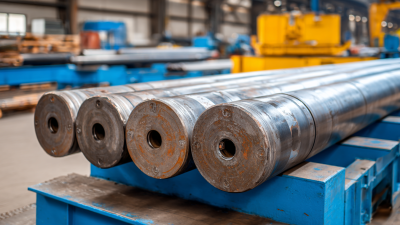
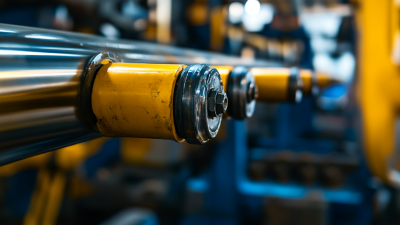
Hydraulic Rams play a pivotal role in the realm of modern machinery. These powerful devices convert hydraulic energy into linear motion, facilitating numerous industrial applications. Frequently used in construction, manufacturing, and automotive sectors, hydraulic rams are essential for lifting, pushing, and pulling heavy loads with precision.
The reliability of hydraulic rams directly impacts machinery efficiency. Their ability to generate significant force from relatively small hydraulic inputs is remarkable. However, the technology isn't without challenges. Issues like leakage or pressure loss can hinder performance.
As machinery evolves, the demands on hydraulic systems increase. Stressing the importance of quality components becomes crucial. Understanding the potential pitfalls of hydraulic rams can lead to better maintenance practices. It is this blend of innovation and reflection that underscores their significance in contemporary operations. Hydraulic rams, despite their complexities, continue to shape a more efficient future for industries at large.
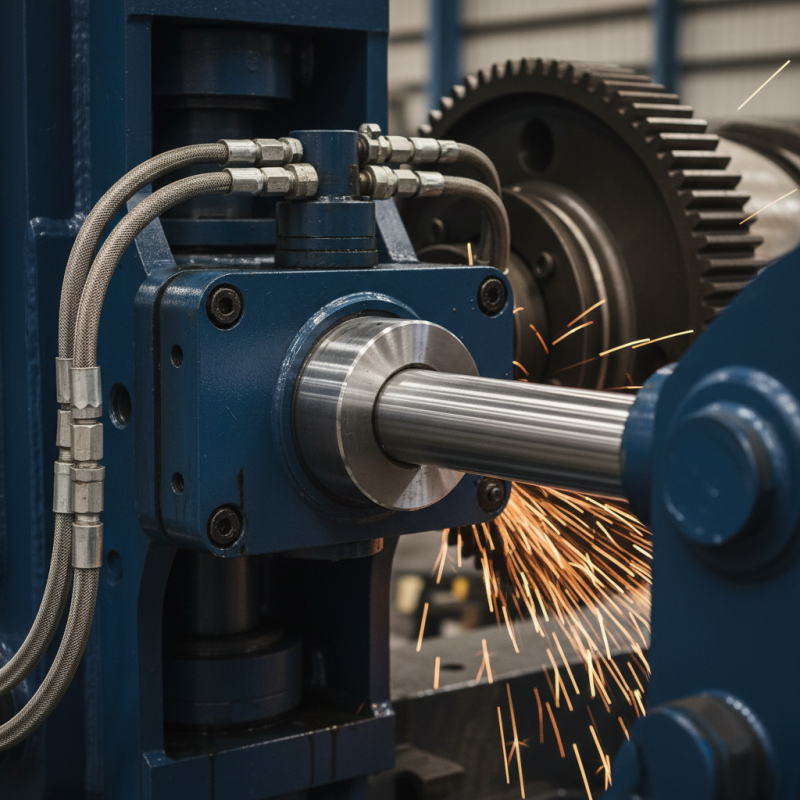
Understanding Hydraulic Rams: Definition and Functionality
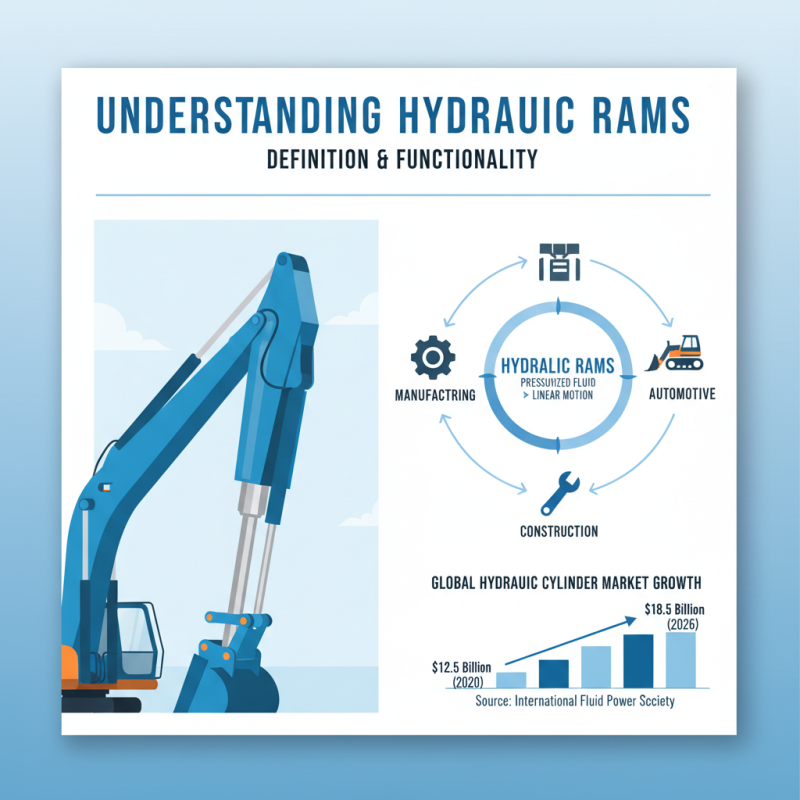
Hydraulic rams play a critical role in modern machinery. Defined as devices that use pressurized fluid to create linear motion, they are integral in different sectors. Construction, manufacturing, and automotive industries all leverage hydraulic rams for various applications. A report by the International Fluid Power Society notes that the global hydraulic cylinder market is projected to grow significantly, reaching $18.5 billion by 2026. This demonstrates the rising importance of hydraulic systems.
Understanding their functionality requires insight into hydraulic principles. The basic mechanism involves the pressurized fluid acting on a piston, which creates powerful linear force. This force can lift heavy loads or drive machinery efficiently. The flexibility of hydraulic rams allows them to work in compact spaces, driving operations that would be impossible with mechanical systems alone. This versatility is essential in today’s fast-paced industries.
Tip: Regular maintenance of hydraulic systems can prevent costly downtime. Check for leaks and ensure fluid levels are sufficient. Monitor the hydraulic pressure to maintain optimal performance. Doing so can extend the lifespan of your hydraulic rams.
Proper training is crucial for operators. Knowledge of how hydraulic systems work is crucial for safe operation. Misunderstanding their functionality can lead to accidents. Some users may neglect the need for training, thinking this information is unnecessary. However, investing in knowledge is vital for machinery safety.
The Role of Hydraulic Rams in Industrial Applications
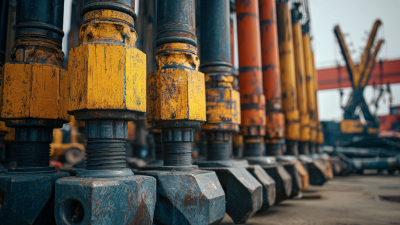
Hydraulic rams play a critical role in industrial applications. These devices use pressurized fluid to exert force, making them invaluable in machinery. They convert hydraulic energy into mechanical energy, enabling various operations. Factories rely on hydraulic rams for lifting heavy loads, pushing materials, and even for precision tasks.
In construction, hydraulic rams are essential for heavy lifting. They power cranes and excavators that move massive objects. The precision they offer improves safety and efficiency, although improper calculations can lead to failures. Operators must ensure that the system is correctly calibrated to prevent accidents.
Another vital application is in manufacturing lines. Hydraulic rams automate processes like stamping and molding. They enhance production speed and consistency, which is crucial for meeting market demands. Still, system maintenance is often neglected. This negligence can result in breakdowns, which disrupt operations. Routine checks are key to reliability and effectiveness in these settings.
Key Advantages of Using Hydraulic Rams in Machinery
Hydraulic rams play a crucial role in modern machinery. Their ability to convert fluid pressure into mechanical force simplifies many industrial processes. This efficient design allows for heavy lifting and precise movements. For example, they can easily lift large loads, making them essential in construction and manufacturing.
One key advantage of hydraulic rams is their strength. They provide high force output with relatively low input energy. This means operations can be more efficient and cost-effective. Additionally, they can be designed to fit compact spaces. This versatility makes them ideal for various applications, from small machines to large vehicles.
However, like any technology, hydraulic rams are not without their challenges. Regular maintenance is crucial to avoid leaks and ensure reliability. Operators may need training to handle these systems safely. Evaluating the environmental impact is also important. While they are efficient, the hydraulic fluid must be managed carefully to prevent spills. These considerations remind us that while hydraulic rams enhance machinery, responsible usage is essential.
Advantages of Hydraulic Rams in Modern Machinery
This chart illustrates the key advantages of using hydraulic rams in modern machinery, including high force output, precision in operation, energy efficiency, compact design, and durability. These attributes make hydraulic rams a crucial component in various applications across industries.
Common Types of Hydraulic Rams and Their Uses
Hydraulic rams are pivotal in various modern machinery. Their applications span industries from construction to manufacturing. One common type is the single-acting hydraulic ram. This design uses pressure on one side of the piston. It's effective for tasks like lifting and pushing heavy loads.
Double-acting rams are another type. They function using pressure on both sides. This allows for both
extension and
retraction. These rams are ideal for tasks that require
precise control, such as in robotics and material handling. Users often appreciate the efficient movement and power they provide.
You may encounter
hydraulic jacks, a familiar variant. They're widely used for automotive repairs and heavy lifting. Despite their benefits, maintenance can be a challenge. Regular checks are essential to prevent leaks or pressure loss. Understanding these types can help users make informed choices.
Maintenance and Safety Considerations for Hydraulic Rams
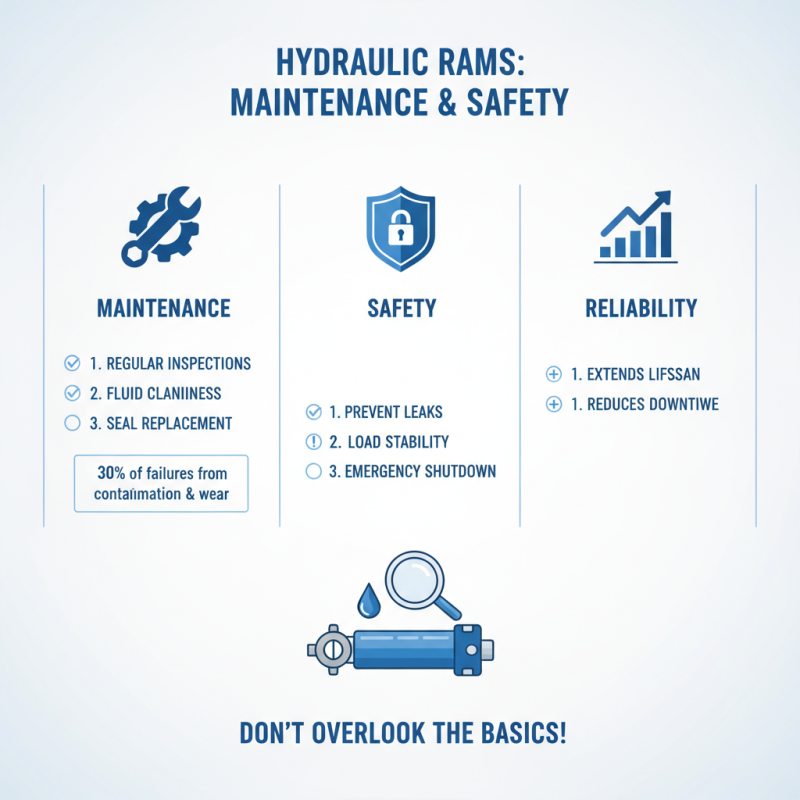
Hydraulic rams play a crucial role in modern machinery, but maintenance is often overlooked. Regular inspections might seem tedious, but they are essential. According to industry reports, more than 30% of hydraulic system failures stem from fluid contamination and wear. This raises concerns about machinery reliability and safety.
Proper maintenance includes checking fluid levels, inspecting seals, and ensuring fittings are secure. A report by the International Fluid Power Society indicates that companies following a robust maintenance schedule reduce unexpected downtime by up to 40%. Neglecting these measures can lead to catastrophic failures.
Training operators in safety procedures is equally vital. Understanding load limits and operational protocols can prevent accidents. Statistics show that improper handling of hydraulic rams contributes to nearly 25% of workplace injuries. Therefore, embracing a culture of safety and regular upkeep is non-negotiable for optimal operation. These factors highlight the balance between efficiency and safety in hydraulic systems.