
7 Tips for Choosing Reliable Hydraulic Cylinder Rebuilders
A hydraulic cylinder often gives warning before it stops working: a thin oil film around the rod, uneven movement, or a slow loss of lifting force. These signs can look minor. They are not always minor. Choosing a rebuild shop based only on price may lead to repeat downtime, mismatched seals, or a repair that does not address the cause. Reliable Hydraulic Cylinder Rebuilders inspect the full assembly, explain their findings, and provide a clear scope of work.
This guide shares seven practical tips for assessing a rebuilder before handing over critical equipment. Look for experience with your cylinder type, careful inspection methods, quality replacement components, and testing that reflects real operating conditions. Ask what measurements are recorded, whether the rod and barrel are checked for wear, and how the shop documents its work. Specific answers matter. So do references and a realistic warranty. A polished website alone proves little, and even a confident estimate can miss hidden damage. That deserves a second look.
The right choice depends on more than a quick turnaround. A shop should communicate delays, identify uncertainties, and avoid promising results before inspection. Compare these details with your maintenance needs and the cost of another failure. A thoughtful decision now can help protect operators, equipment, and production schedules. It is worth asking one more question.
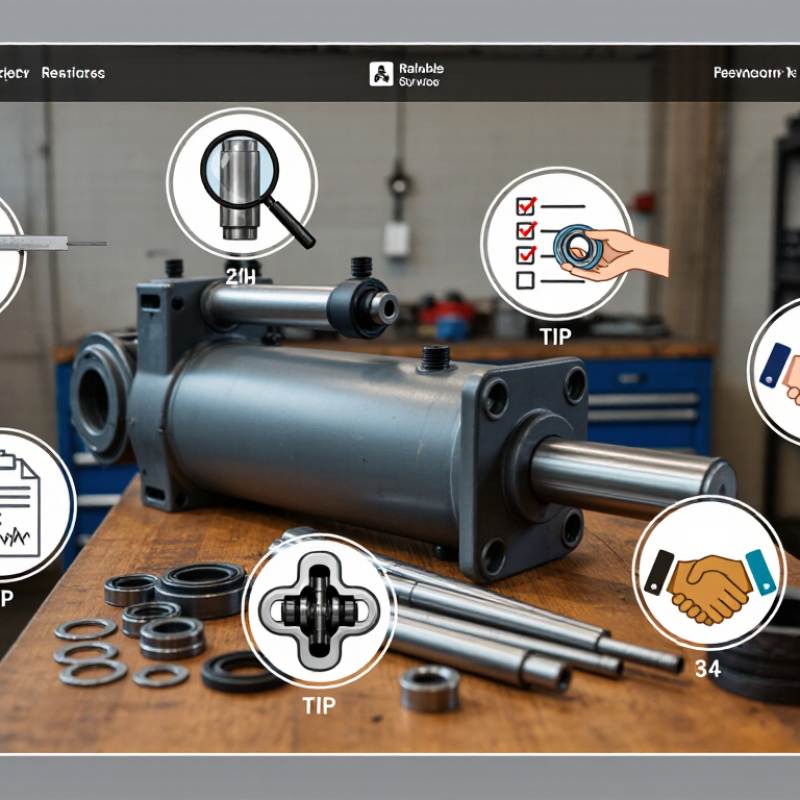
Match the Cylinder’s Bore, Stroke, Pressure Rating, and ISO 6020/6022 Mounting
Tip 1: Give the rebuilder the cylinder’s bore, stroke, and operating pressure—not just its overall length. Bore determines piston area, while stroke sets the working travel. Check the equipment manual or measure the original cylinder carefully. A worn barrel can make measurements misleading. Do not guess.
Tip 2: Match the mounting style and dimensions to ISO 6020 or ISO 6022 requirements where applicable. These standards cover common hydraulic cylinder dimensions, but the exact mount still matters. Confirm the mount code, pin diameter, bolt spacing, and port locations against your machine. A cylinder may meet a standard yet still fail to fit your frame.
Tip 3: Ask the rebuilder to verify pressure rating and document critical dimensions before work begins. Compare the cylinder’s rated working pressure with the system’s normal and peak pressures; do not rely on appearance alone. Request a final inspection for leakage, smooth travel, and correct mounting dimensions. Small details matter. If the old unit has no drawing, share clear photos and measured notes, then have the rebuilder confirm any uncertain dimensions before fabrication.
7 Tips for Choosing Reliable Hydraulic Cylinder Rebuilders - Match the Cylinder’s Bore, Stroke, Pressure Rating, and ISO 6020/6022 Mounting
| Tip | What to Verify | Questions and Evidence to Request | Warning Signs |
|---|---|---|---|
| 1. Match the bore and stroke | Confirm the cylinder bore diameter and stroke length against the equipment specification or the cylinder’s verified measurements. Also check rod diameter and closed and extended lengths where these affect fit. | Ask for the dimensional inspection record and confirmation that the proposed repair preserves the required travel and connection dimensions. | The rebuilder estimates dimensions from appearance alone or proposes a change without checking equipment clearances and operating requirements. |
| 2. Confirm the pressure rating | Compare the cylinder’s rated operating pressure with the system’s maximum working pressure. Distinguish working pressure from any specified proof or test pressure. | Request confirmation of the rating from the cylinder documentation or equipment manufacturer’s specification, plus the planned test procedure and acceptance criteria. | A test pressure is presented as the normal working rating, or a pressure test is proposed without a defined, applicable procedure. |
| 3. Verify ISO mounting details | Identify the applicable ISO 6020 or ISO 6022 series and check the exact mounting style, dimensions, and interfaces. A shared standard reference alone does not establish that every cylinder or mount is interchangeable. | Ask for the cylinder drawing or dimensional checklist showing the relevant mounting dimensions, ports, and connection details. | The rebuilder assumes compatibility based only on the ISO number or mounting style name. |
| 4. Request a documented inspection | Before repair, have the barrel, piston, rod, seals, ports, and mounting features inspected for wear, scoring, corrosion, damage, and dimensional condition. | Request an inspection report that records findings, measurements where relevant, and any parts or machining proposed for replacement or repair. | The work scope is set before inspection, or damaged components are reused without an explained assessment. |
| 5. Check repair and seal specifications | Confirm that replacement seals and wear components are suitable for the hydraulic fluid, temperature range, pressure, speed, and operating environment. | Ask for the seal material and component specification, and confirmation that repaired surfaces and clearances meet the cylinder’s requirements. | Generic seal substitutions are offered without checking fluid compatibility or operating conditions. |
| 6. Review testing and cleanliness controls | Confirm that the assembled cylinder will be tested against agreed acceptance criteria and handled to limit contamination before shipment. | Request a test record. ISO 10100 provides acceptance-test procedures for hydraulic cylinders; confirm whether it applies to the job and what requirements are specified. Ask how openings are protected after testing. | No written test results are available, or the cylinder is shipped with exposed ports or no stated cleanliness precautions. |
| 7. Evaluate traceability and warranty terms | Look for clear work documentation, parts traceability where applicable, a defined warranty, and a process for handling a post-repair issue. | Ask for the written scope of work, final inspection and test records, warranty duration and exclusions, and the procedure for reporting a defect. | Warranty coverage, repair scope, or responsibility for replaced and reused parts is unclear or only described verbally. |
Related Posts
-

Ultimate Guide to Hydraulic Cylinder Service Tips for Optimal Performance
-
What Is a Hydraulic Cylinder Rebuilder?
-
Hydraulic Cylinder Rebuilders Shine at Canton Fair 2025 with Record International Attendance
-
Understanding Industry Standards: How to Choose the Best Hydraulic Cylinder Service for Your Needs
-

Exploring Diverse Alternatives for Hydraulic Cylinder Replacement Parts
-
Essential Tips for Choosing the Right Hydraulic Ram Cylinder?