China Top 10 Hydraulic Cylinder Repair Companies
Selecting a hydraulic cylinder repair partner in China requires more than comparing prices or factory photos. A cylinder that leaks under load can halt an excavator, press, or production line. Small details matter: a scored piston rod, a damaged seal groove, or contamination left inside the barrel. This guide introduces ten companies for buyers to evaluate, while recognizing that service quality can vary by location and job.
The comparison focuses on practical evidence, including repair capabilities, machining and testing equipment, documented inspection steps, industry experience, and communication before and after service. Where available, buyers should check whether a provider can handle disassembly, honing, rod repair or replacement, seal selection, pressure testing, and clear reporting. These are useful checks, not guarantees. A polished website alone proves very little.
Hydraulic Cylinder Repair is often less about replacing one part and more about finding why it failed. Was the rod misaligned? Did abrasive dust enter through a worn wiper? Was the cylinder operating beyond its intended conditions? Ask providers how they diagnose these causes, what measurements they record, and whether they explain repair limits. Request relevant case examples and confirm turnaround, warranty terms, and shipping arrangements in writing. Some listings may lack independently verified performance data. That deserves caution. A ranking can guide research, but it cannot replace a technical conversation, a site visit, or a careful review of the actual repair scope.
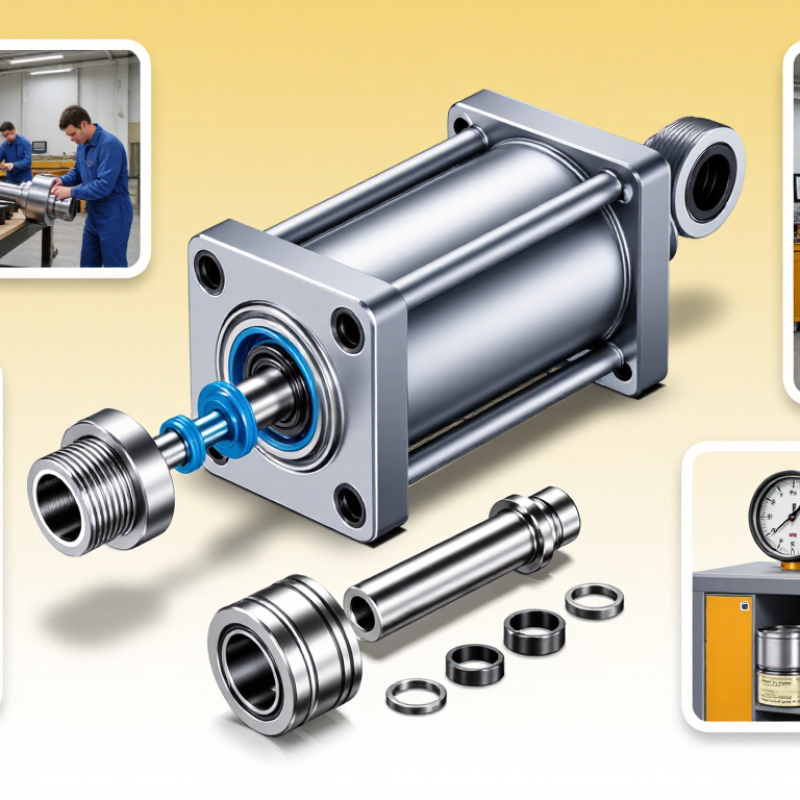
Hydraulic Cylinder Repair Services in China
China Top 10 Hydraulic Cylinder Repair Companies
Hydraulic Cylinder Repair Services in China
Hydraulic cylinder repair services in China support machinery used in construction, manufacturing, mining, and agricultural work. Common issues include oil leakage, scoring on the piston rod, worn seals, and slow or uneven movement. Small symptoms can point to larger problems. A cylinder that drifts under load, for example, may need more than a new seal.
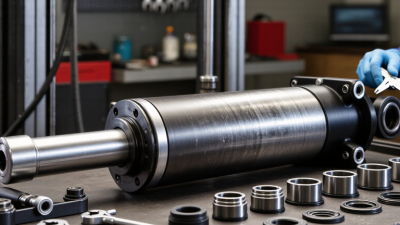
A thorough repair typically begins with cleaning and inspection. Technicians measure the rod for straightness and surface wear, then check the barrel, piston, and seal grooves. Damaged chrome, deep scratches, or a bent rod may require specialized work or replacement. After reassembly, pressure testing can help identify leaks before the cylinder returns to service. The test conditions should match the equipment’s operating requirements.
Service quality depends on clear records, suitable parts, and realistic repair estimates. Ask for inspection findings, expected turnaround, and details about testing and warranty coverage. Not every cylinder is economical to repair. Sometimes replacement is the safer choice, though the decision deserves careful review. A rushed diagnosis can miss wear elsewhere in the assembly. Clear communication matters. Repair reports should explain what was found, what was changed, and any limits that remain.
Criteria for Ranking Hydraulic Cylinder Repair Companies
A credible ranking of China’s hydraulic cylinder repair companies should start with evidence, not factory size or polished photographs. Reviewers should examine anonymized work orders, failure diagnoses, and before-and-after measurements. Useful records include barrel bore diameter, rod straightness, surface finish, and seal specifications. Ask whether the shop identifies the cause of failure, such as side loading or contaminated oil, rather than simply replacing seals. Details matter.
Testing deserves substantial weight. A repairer should document pressure-test conditions, leakage checks, and the acceptance criteria used for each cylinder. ISO 4406 provides a standard method for reporting hydraulic-fluid cleanliness codes, helping buyers compare contamination measurements consistently. The U.S. Department of Energy’s Improving Pumping System Performance sourcebook estimates that pumping systems account for roughly one-quarter of industrial electricity use. Although that figure covers pumping systems, not cylinders alone, it underscores why leakage and inefficient operation deserve attention.
Rank service capacity through verifiable details: available machining processes, material traceability, technician experience, spare-part lead times, and written warranty terms. Compare promised turnaround with actual dates from recent jobs. A neat test report helps. But paperwork alone proves little. Buyers should also check whether the repaired cylinder performs under realistic load and duty cycles. No scorecard is perfect. Small shops may provide excellent repairs yet have thinner documentation; rankings should disclose that trade-off instead of treating missing records as proof of poor workmanship.
Profiles of China’s Leading Hydraulic Cylinder Repair Companies
China’s hydraulic cylinder repair sector includes large industrial service centers, regional workshops, and mobile maintenance teams. Their strengths differ. Larger facilities may handle heavy cylinders from mining, construction, and port equipment, using lifting rigs, honing machines, and pressure-test benches. Regional shops often focus on faster turnaround for local fleets. Mobile teams can inspect leaks or replace seals on-site, avoiding costly equipment transport.
Experienced repair providers usually begin with inspection, not assumptions. Technicians measure rod straightness, bore wear, and gland clearance, then record findings before recommending work. Common services include disassembly, seal replacement, surface restoration, honing, and controlled reassembly. A careful shop pressure-tests the unit and explains limitations, including parts that may need later attention. Ask about test records, warranty terms, and whether replacement components match the cylinder’s specifications.
The differences are practical. One provider may be equipped for oversized cylinders, while another specializes in quick repairs for agricultural or factory machinery. Look for clean work areas, calibrated gauges, traceable parts, and clear communication. These details matter. Still, a polished workshop does not guarantee a durable repair; inspection quality and service history deserve equal weight. Some damage appears only after cleaning, so a reliable profile should describe both capabilities and constraints.
Hydraulic Oil Cleanliness: ISO 4406 Particle Count Bands
Clean hydraulic oil helps limit wear in repaired cylinders and other hydraulic components. Bars show the upper particle-count limit for each ISO 4406 code at ≥4 μm(c); lower codes indicate cleaner oil. These are standard classification thresholds, not company performance data.
Industries and Regions Served by Repair Providers
Hydraulic-cylinder repair providers serve a wide range of industries across China, from factory automation to mining and agriculture. In coastal manufacturing regions, workshops often support injection-molding lines, metal presses, and packaging equipment. Port operators may need repairs for cranes and cargo-handling machinery, where leaks or uneven rod movement can disrupt a shift.
Downtime matters.
The work varies by region. Northern industrial areas have demand from steel production, construction equipment, and heavy transport. In inland provinces, mining and agricultural machinery can require repairs suited to dust, vibration, and seasonal workloads. The Yangtze River Delta and Pearl River Delta have dense manufacturing networks, so access to inspection and replacement parts may affect turnaround time.
Geography is not the only factor.
A capable repair provider should inspect the rod surface, seals, barrel, and pressure performance before recommending work. Ask how it handles testing after assembly, and whether it can service cylinders on-site when transport is difficult. A fresh seal does not fix a scored rod. That point is sometimes missed. Service coverage can also look broad on paper, while remote-site response remains limited; confirm travel arrangements and expected repair times before equipment fails.
How to Choose a Hydraulic Cylinder Repair Company
How to Choose a Hydraulic Cylinder Repair Company
Choosing a hydraulic cylinder repair company in China starts with evidence, not promises. Ask whether technicians inspect the rod, barrel, seals, and mounting points before quoting. A scored rod may need more than a seal replacement. Request measurements, photographs, and a written explanation of the failure. Clear records matter.
Check the repair process. Does the workshop measure rod straightness and barrel wear? Can it pressure-test the cylinder after assembly and provide the test pressure and results? Ask how it sources replacement seals and how it protects parts from dust during reassembly. ISO 4406 offers a standardized way to describe hydraulic-fluid cleanliness, though it does not certify a repair shop.
One detail is easy to miss.
A company’s after-service terms also deserve close attention. Get the warranty period, exclusions, turnaround estimate, and shipping responsibilities in writing.
Grand View Research estimated the global hydraulic cylinder market at USD 14.4 billion in 2023, reflecting the equipment’s broad industrial use. That figure is market context, not proof of repair quality.
A polished website is not enough; a neat workshop is not proof either. If a supplier cannot explain its test procedure plainly, keep looking. I might still miss something—ask for references from customers with similar equipment before deciding.