7 Tips for Choosing Hydraulic Cylinder Rebuilders

Hydraulic cylinders rarely fail without warning. A drifting load, a wet rod seal, or a scored barrel can signal trouble. The right repair partner can help identify the cause, restore performance, and reduce repeat failures. The wrong one may simply replace parts and send the cylinder back. Details matter.

NFPA’s annual fluid-power industry outlook reports track shipments and business conditions across the sector. They offer useful context, but they do not rate individual repair shops. That distinction matters. Buyers still need to check each provider’s capabilities, inspection process, and documented results. ISO 4406 also provides a recognized method for classifying hydraulic-fluid contamination, a key concern when repaired equipment returns to service. Ask how a rebuilder protects components from dirt during disassembly, cleaning, and assembly. A clean bench is not a complete quality system.

Choosing Hydraulic Cylinder Rebuilders is not only about comparing quoted prices. Consider whether the shop can inspect the barrel and rod, verify dimensions, select compatible seals, and test the finished cylinder under appropriate conditions. Request a written scope and clear test records. Ask about turnaround time, warranty terms, and experience with your cylinder type. Then check references, especially from customers who use similar machinery.

Not every shop will fit every job. A rebuild may also reveal damage that was not visible at intake, so the final cost can change. Good communication helps. These seven tips will help you compare providers, ask specific questions, and make a decision based on evidence—not a polished promise.
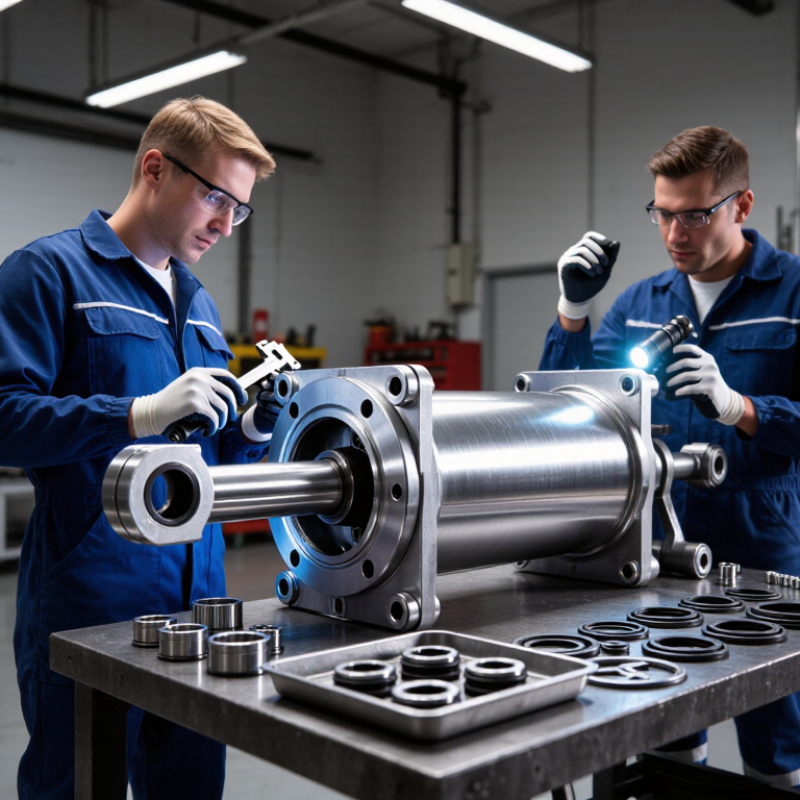
7 Tips for Choosing Hydraulic Cylinder Rebuilders

Understanding Your Hydraulic Cylinder’s Repair Requirements

Before contacting a hydraulic cylinder rebuilder, record the cylinder’s bore, stroke, mounting style, and operating pressure if known. Describe the machine and the work it performs. A cylinder lifting a steady load may show different wear from one exposed to side loading or frequent impacts. Note when the problem began and whether the cylinder drifts, moves unevenly, or leaks only under pressure. A clean photo of the rod, ports, and mounting points can help clarify the symptoms. Small clues matter.

Inspect visible areas without dismantling pressurized equipment. Look for oil around the rod seal, scratches or rust on the rod, and dents near the barrel. These signs do not confirm the cause; worn seals, a bent rod, damaged barrel surfaces, or contamination can produce similar symptoms. Share the fluid type, temperature range, and any recent changes in performance with the rebuilder. Ask how the inspection will verify internal wear, seal compatibility, and critical dimensions. Also clarify whether the final repair includes pressure or leak testing under agreed conditions. Exact tolerances depend on the cylinder design, so avoid assuming a standard rebuild fits every application. I have seen symptom lists miss important details, too; operating conditions are easy to overlook.

Assessing a Rebuilder’s Experience and Technical Capabilities

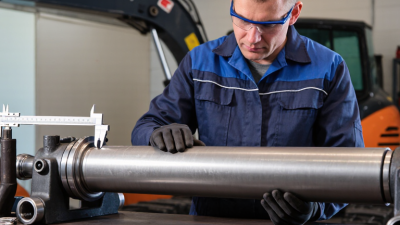
A capable hydraulic cylinder rebuilder should explain how it diagnoses wear, not just quote a seal-kit price. Ask whether technicians measure rod straightness, bore dimensions, and piston clearance before selecting replacement parts. Request a sample inspection report with recorded measurements and photographs. A U.S. Department of Energy sourcebook, Improving Pumping System Performance (2006), estimates that pumping uses nearly 20% of global electricity. That figure covers pumping broadly, not cylinder rebuilds alone. Keep the distinction clear.

Experience should show in traceable procedures, not just years in business. Look for documented pressure testing, leakage checks, and clear acceptance criteria. ISO 10100:2020 outlines acceptance tests for hydraulic cylinders, including pressure and leakage testing. Ask to see a completed test record, with the cylinder’s operating pressure and measured results. A clean bench is reassuring, but proves little by itself. Some shops may not retain every removed part; that is not automatically a red flag, but ask why. If answers about tolerances or test methods stay vague, keep looking. Rebuild quality can depend on small details, and I would not treat a polished workshop as proof of technical depth.

Checking Parts Quality, Testing Methods, and Safety Standards

When comparing hydraulic cylinder rebuilders, inspect the parts they plan to install. Ask whether seals match the cylinder’s fluid, temperature, and operating pressure. Check that replacement rods have a smooth, consistent finish and that metal parts are free from visible scoring or corrosion. Small details matter. A clear parts list, material specifications, and traceability records make it easier to judge quality than a polished quote alone.

Testing should match the cylinder’s intended use. Ask whether the rebuilder checks for leaks, verifies stroke movement, and records pressure-test results. A useful report identifies the test pressure, duration, and any repairs made. Ask to see records. If a shop offers only a quick visual check, clarify what remains untested. It is easy to focus too much on price; test evidence deserves equal attention.

Safety practices matter during both repair and testing. Look for secure test fixtures, pressure guards, and procedures that keep workers clear of moving parts. Ask how the shop follows applicable industry standards and your equipment specifications; requirements can vary by application. No process is flawless, so notice how staff handle questions and document exceptions. A careful rebuilder should explain any limits plainly, rather than promise performance without supporting results.

Comparing Turnaround Times, Pricing, and Warranty Terms

When comparing hydraulic cylinder rebuilders, ask for a written turnaround range, not a casual promise. Confirm when the clock starts: at pickup, inspection, or approval of the estimate. A clear schedule should include disassembly, parts sourcing, testing, and shipping. Ask what happens if a scored barrel or unavailable seal delays the job. Time matters. A 2024 global industrial downtime report estimated that downtime cost 500 large companies about 11% of annual revenue. That figure is not specific to cylinder repairs, but it shows why vague schedules deserve scrutiny.

Compare quotes line by line. Check whether they include cleaning, honing, rod repair, seals, pressure testing, freight, and taxes. A lower initial price can grow when inspection findings are excluded. Ask for approval before extra work begins. Request the test pressure and leakage criteria in writing, too. Small details matter.

Warranty terms need the same close reading. Compare duration, covered parts and labor, shipping responsibility, and exclusions for contamination or installation problems. Ask how a claim is assessed and how long a replacement repair may take. Some terms sound generous until labor or freight is excluded. Keep the quote, inspection photos, and test results together. Records help resolve disagreements, though they cannot prevent every failure. And yes, comparing all three factors takes time. It may still save a rushed second repair.

7 Tips for Choosing Hydraulic Cylinder Rebuilders — Comparing Turnaround Times, Pricing, and Warranty Terms

Tip What to Compare Information to Request How to Evaluate It
1. Compare like-for-like turnaround estimates Inspection, repair, testing, and shipping time—not just the time spent rebuilding. A written schedule showing when the estimate begins, expected inspection time, repair duration, parts lead time, and dispatch date. Check whether the estimate is conditional on inspection or parts availability. Ask how delays are communicated and whether an expedited option is available.
2. Request an itemized price Labor, seals, replacement components, machining, testing, freight, and applicable taxes. A written quote that separates included work from optional repairs and identifies charges that may change after disassembly. Compare quotes using the same repair scope and replacement-parts assumptions. A low initial quote may not include damaged rods, tubes, or other components found during inspection.
3. Confirm the inspection and approval process How the cylinder is assessed and how additional work is authorized. Inspection findings, measurements or photographs when available, and a requirement for approval before work exceeds the quoted scope. Look for clear documentation of the failure cause and proposed repairs. Confirm whether teardown or inspection fees apply if you decline the repair.
4. Check repair capability for your cylinder Experience with the cylinder type, dimensions, operating pressure, and application. Details about equipment and processes used for disassembly, rod or bore work, seal installation, and pressure or functional testing. Ask whether the shop can handle the cylinder’s size and specifications in-house or relies on outside services that could affect cost or schedule.
5. Compare warranty terms in writing Warranty duration, covered parts and labor, start date, and exclusions. The full written warranty, including claim procedure, remedy, shipping responsibility, and any requirements for installation or maintenance records. Check whether coverage applies to both parts and labor, and distinguish workmanship defects from failures caused by contamination, misuse, or application conditions.
6. Ask how the completed repair is tested Test method and records provided with the rebuilt cylinder. Confirmation of the testing performed, relevant acceptance criteria, and whether a test report or service record is supplied. Make sure testing is appropriate to the cylinder and intended use. Confirm what the test does—and does not—verify before comparing shops.
7. Verify parts, communication, and logistics Parts sourcing, status updates, packaging, pickup or freight, and return handling. Whether replacement parts are new, repaired, or customer-supplied; who arranges shipping; and how the shop reports progress or unexpected findings. Confirm all logistics and responsibilities before sending the cylinder. Clear communication and documented parts choices can help prevent avoidable delays and disputes.

Comparison note: Turnaround, total cost, and warranty coverage vary with cylinder condition, repair scope, parts availability, and application. Obtain written, scope-matched quotes before making a decision.

Evaluating Communication, References, and Ongoing Support

When choosing a hydraulic cylinder rebuilder, assess how clearly they communicate before work begins. Ask for a written inspection process, itemized estimate, expected completion date, and approval steps if hidden damage appears. A useful answer names the checks involved, such as measuring the rod, inspecting the bore, and recording seal condition. Vague promises are a warning. Ask how quickly they respond when production is waiting, and who will explain test results. One awkward call can reveal more than a polished quote.

References should match your operating conditions. Request contacts whose cylinders face similar pressure, contamination, duty cycles, or equipment access limits. Ask what failed, what repair was performed, and whether the unit stayed reliable afterward. The U.S. Department of Energy’s Operations & Maintenance Best Practices guide estimates predictive maintenance can save 8–12% compared with preventive maintenance. That figure is not a cylinder-rebuilder comparison, but it underscores the value of condition data and planned service. Ask whether the rebuilder provides pressure-test records, measured clearances, and practical maintenance advice after delivery.

Ongoing support deserves equal scrutiny. Confirm warranty coverage in writing, including exclusions, response times, and what evidence is needed for a claim. Ask whether technicians can help diagnose leaks or drift after installation, and whether replacement parts remain available. A rebuild is not finished when the cylinder leaves the shop. Still, no provider can prevent every failure; operating conditions change, and records may be incomplete. Choose a team willing to discuss those limits plainly.